
20 July 2025
How Do You Choose the Right Cannabis Strain for Your Needs?
With the growing acceptance and legalization of cannabis in many parts of the world, consumers are now faced with an abundance of choices when it comes to selecting the right product. Walk into any dispensary or browse an online menu, and you’ll find hundreds of strains, each boasting unique names, effects, and benefits. For newcomers, this can be exciting—but also incredibly overwhelming.
Whether you’re looking to manage chronic pain, reduce anxiety, combat insomnia, or simply enjoy a mellow evening, the strain you choose plays a crucial role in shaping your experience. The right cannabis strain can help you feel relaxed, focused, uplifted, or pain-free. But the wrong one—especially if it’s too potent or poorly matched to your needs—can lead to anxiety, grogginess, or even an unpleasant high.
Fortunately, cannabis strains are commonly categorized into three broad types: Sativa, Indica, and Hybrid. While this system isn’t perfect, it provides a helpful framework for understanding the general effects and best use cases of each category.
In this guide, we’ll break down:
- The key differences between Sativa, Indica, and Hybrid strains
- How these strains affect your mind and body
- Which types may be best for common goals like relaxation, focus, sleep, or pain relief
By the end, you’ll be equipped with the knowledge you need to make more confident, personalized choices—whether you’re shopping for the first time or refining your existing cannabis routine.
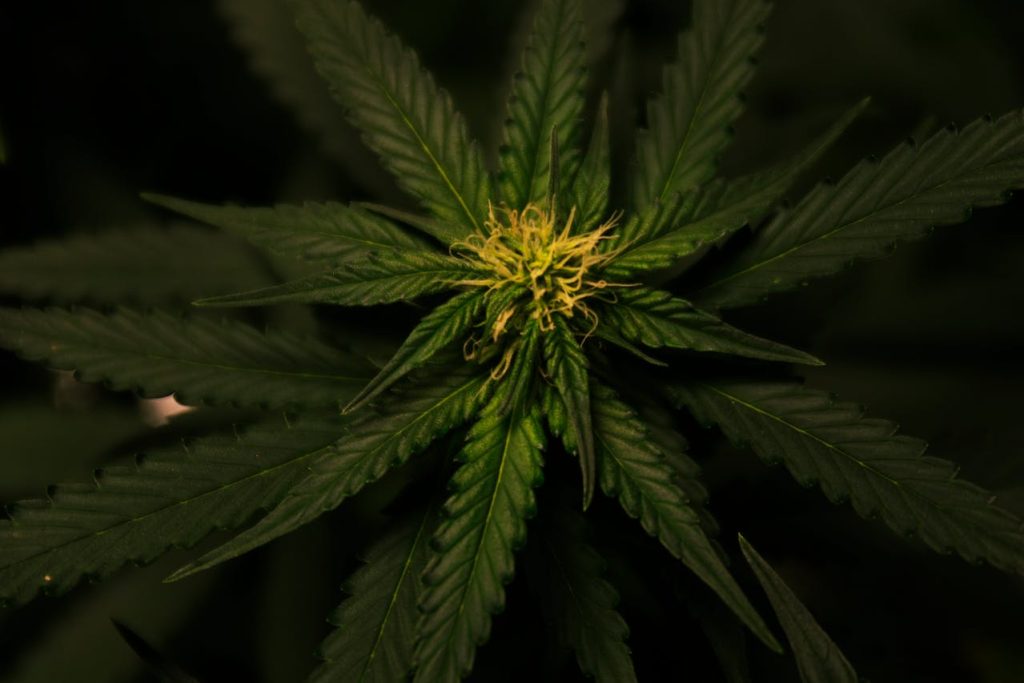
Understanding Cannabis Strain Types
Although the Indica/Sativa/Hybrid classification isn’t always scientifically precise, it remains a useful starting point for understanding the effects of different strains.
🔹 Sativa
Common effects: Energizing, cerebral, creative, uplifting
Best for: Daytime use, creative work, social settings
Typical traits:
- Tall, narrow-leaf plants
- Higher THC levels in many cases
- Terpenes like limonene and pinene contribute to alertness
Popular Sativa strains:
- Jack Herer – Focus and creativity
- Durban Poison – Energy and clarity
- Sour Diesel – Euphoria and motivation
🔹 Indica
Common effects: Relaxing, sedative, calming, body-focused
Best for: Nighttime use, pain relief, sleep, stress reduction
Typical traits:
- Shorter, bushier plants with wide leaves
- More CBD than Sativas (in some cases)
- Terpenes like myrcene and linalool contribute to relaxation
Popular Indica strains:
- Northern Lights – Stress and insomnia relief
- Granddaddy Purple – Muscle relaxation
- Bubba Kush – Deep sedation
🔹 Hybrids
Common effects: A mix of both Sativa and Indica characteristics
Best for: Tailored relief for specific symptoms or balanced effects
- Sativa-dominant hybrids tend to be more energizing
- Indica-dominant hybrids lean toward body relaxation
- Balanced hybrids offer moderate effects of both
Popular Hybrid strains:
- Blue Dream – Mood boost with body ease
- Girl Scout Cookies (GSC) – Potent euphoria and relaxation
- Wedding Cake – Stress and pain management
Factors to Consider When Choosing a Strain
Choosing the right strain depends on several personal variables:
🧠 Desired effects
Are you trying to relax, relieve pain, improve focus, or sleep better? Different strains offer different benefits.
🧪 THC vs. CBD
- THC is the primary psychoactive compound; higher levels = stronger high
- CBD is non-psychoactive and is often preferred for anxiety, inflammation, or epilepsy
🎯 Experience level
New users should start with low-THC or balanced THC/CBD strains to avoid overconsumption or anxiety.
⏰ Time of day
- Sativas are best for daytime
- Indicas are ideal before bed
- Hybrids can be flexible based on formulation
💊 Medical condition
Consult a cannabis-literate physician if using cannabis to manage conditions like:
- Chronic pain
- Anxiety
- Insomnia
- Appetite loss
- PTSD
Reading Strain Labels and Lab Results
Legit cannabis products come with lab-tested results, often shown as a Certificate of Analysis (COA).
🔬 What to look for on labels:
📱 Some dispensaries include QR codes linking to lab reports, so you can verify product purity and potency.
Common Strains and Their Typical Uses
Strain | Type | Typical Use |
Blue Dream | Hybrid | Mood uplift + body calm |
Northern Lights | Indica | Sleep aid and stress relief |
Sour Diesel | Sativa | Energy and creativity |
Wedding Cake | Hybrid | Pain and anxiety relief |
Granddaddy Purple | Indica | Muscle relaxation and sleep |
Trial, Error, and Journaling Your Experience
No two people react to cannabis exactly the same. The best way to find what works is through mindful experimentation.
📝 Cannabis journaling tips:
- Record the strain name
- Note the dose and method of consumption
- Track your mood, physical symptoms, and effects
- Adjust over time based on results
This approach helps you refine your preferences and avoid repeating negative experiences.
Working with Budtenders or Medical Professionals
👥 Budtenders (dispensary staff) can offer product suggestions, but their advice varies in quality.
💬 Ask the right questions:
- What effects do customers report?
- What’s the terpene profile?
- Is this strain better for day or night?
- Are there lab results available?
🏥 If you have medical needs or chronic conditions, consider speaking with a cannabis-literate doctor or licensed medical provider for personalized advice.

Frequently Asked Questions
Answering common questions about choosing the right cannabis strain for your needs
What’s the difference between Indica and Sativa, really?
Traditionally, Indica and Sativa have been used to categorize cannabis plants based on their physical traits and effects:
- Indicas are typically short, bushy plants with wide leaves. They’re known for relaxing, body-heavy effects, and are often used at night to promote sleep or pain relief.
- Sativas are tall plants with narrow leaves, commonly associated with uplifting, cerebral effects, often preferred for daytime use, focus, or creativity.
🧠 However, modern research shows this classification isn’t always reliable. The actual effects of a strain are more accurately predicted by:
- Cannabinoid content (like THC and CBD)
- Terpene profile (e.g., limonene = energizing, myrcene = sedative)
- Your own body chemistry
👉 Think of “Indica vs. Sativa” as a starting point, not a guarantee. Always check lab results and start with a low dose when trying a new strain.
- Can the same strain affect people differently?
Yes—very differently.
Cannabis affects everyone based on their unique:
- Endocannabinoid system (ECS)
- Body weight and metabolism
- Mood, mindset, and environment
- Experience level and tolerance
For example, a strain that relaxes one person might make another feel anxious or overstimulated. That’s why:
- Start low and go slow, especially with high-THC strains
- Keep a cannabis journal to track your responses
- Be mindful of your setting and mindset, especially with edibles or first-time use
🚨 Even the time of day or whether you’ve eaten can impact how a strain affects you.
Are strain names consistent across dispensaries?
Not always. Strain names like “Blue Dream” or “OG Kush” are widely used, but the actual chemical makeup can vary dramatically depending on:
- How and where the cannabis was grown
- The phenotype (genetic expression) of the plant
- Harvesting methods and curing process
- Lab testing accuracy (or lack thereof)
A “Blue Dream” from one brand might make you feel uplifted and clear-headed, while another might be more sedative.
✅ Pro tip: Rely more on lab results (THC %, CBD %, and terpene breakdown) than just the name. And when you find a product that works for you, note the brand, batch number, and terpene profile—not just the strain name.
How do I avoid strains that make me anxious or paranoid?
Cannabis-induced anxiety or paranoia is most often linked to high-THC strains, especially in people who are sensitive or new to cannabis. Here’s how to minimize those effects:
✅ Tips to avoid anxious experiences:
- Choose lower-THC products (under 15%)
- Look for balanced THC:CBD ratios (e.g., 1:1)
- Avoid fast-acting, high-potency Sativas unless you’re very experienced
- Stick to strains high in calming terpenes like:
- Myrcene (sedative, found in Indicas)
- Linalool (also in lavender; promotes relaxation)
- Beta-caryophyllene (anti-anxiety and anti-inflammatory)
Also, pay attention to your setting and mindset—being in a stressful environment or consuming cannabis during emotional lows may increase the risk of anxiety.
Can I use cannabis without getting high?
Absolutely. If you’re looking for therapeutic benefits without the psychoactive “high”, here are your best options:
🌿 CBD-dominant products:
- Offer anti-inflammatory, anti-anxiety, and pain-relieving benefits
- Won’t impair your judgment or motor skills
- Ideal for use during the day or while working
🔄 THC/CBD balanced products (e.g., 1:1 ratio):
- Provide mild euphoria with strong symptom relief
- The CBD helps buffer THC’s psychoactive effects
🧴 Topicals (creams, balms):
- Great for localized pain or inflammation
- Non-psychoactive, even with THC content
💨 Vapes and tinctures with <0.3% THC (hemp-derived):
- Legal in many areas under the 2018 Farm Bill
Subtle, fast-acting effects with little or no mental alteration
🎯 Final tip: Look for “broad-spectrum” or “CBD isolate” if you want zero THC exposure (especially important for those subject to drug testing).
Conclusion
Choosing the right cannabis strain is both an art and a science. It involves knowing what your body needs, understanding how different strains work, and experimenting safely.
By learning about Sativa, Indica, and Hybrids, and paying attention to cannabinoid and terpene profiles, you can confidently choose strains that support your goals—whether medical or recreational.
Remember: Start low, go slow, and stay informed.