
19 July 2025
What Is the “Entourage Effect”? (Explaining the Synergy of Cannabinoids and Terpenes)
Cannabis is a complex plant, containing over 100 cannabinoids and more than 200 terpenes. While many people are familiar with compounds like THC and CBD, few understand how these elements work together in a phenomenon known as the entourage effect.
Rather than acting in isolation, cannabinoids and terpenes interact to enhance or modulate the plant’s effects—resulting in a broader, more balanced therapeutic outcome. This synergy is the foundation for full-spectrum cannabis products and is especially relevant in medical cannabis treatment.
In this article, we’ll break down what the entourage effect is, how it works, and why it matters when choosing cannabis products.
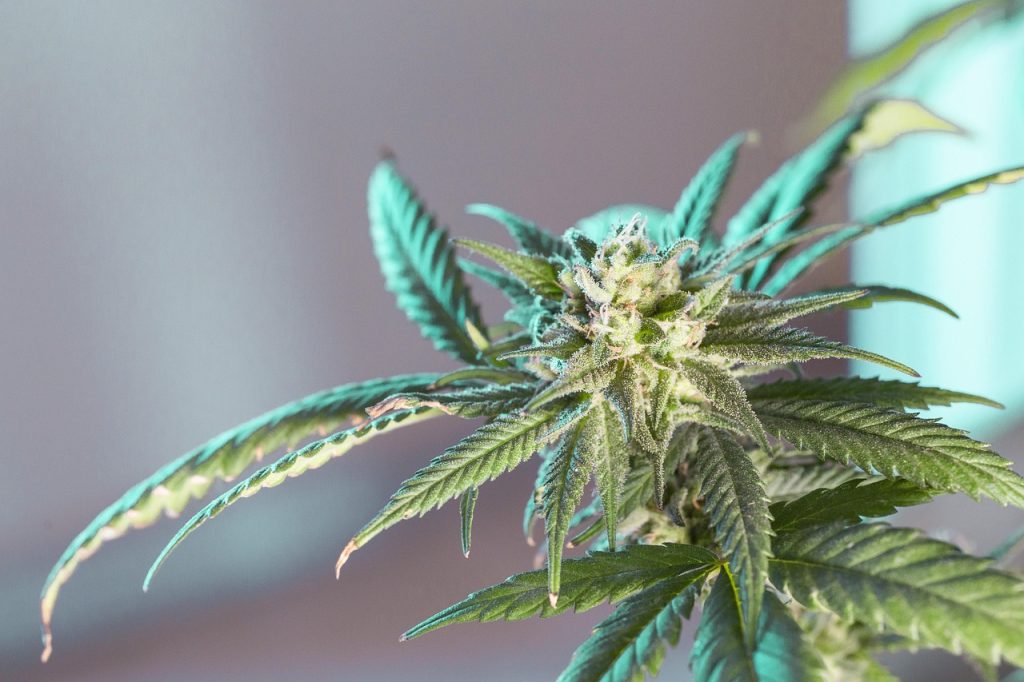
What Is the Entourage Effect?
The entourage effect is a term used to describe the interactive synergy between the various compounds in cannabis—especially cannabinoids and terpenes. When these compounds are consumed together, they produce effects that are greater and more nuanced than any one compound would alone.
This means:
- THC may be more effective when paired with CBD
- Terpenes like myrcene or limonene can modify the experience of a given strain
- Even minor cannabinoids like CBG or CBC can play a supportive role
The concept was introduced in the early 2000s by cannabis researcher Dr. Ethan Russo, who suggested that these plant components work best as a team—not in isolation.
What Are Cannabinoids?
Cannabinoids are naturally occurring compounds found in the cannabis plant. They interact with the endocannabinoid system (ECS) in the human body to regulate various functions like sleep, pain, mood, and appetite.
Common Cannabinoids:
- THC (Tetrahydrocannabinol): The main psychoactive compound, known for euphoria, pain relief, and appetite stimulation.
- CBD (Cannabidiol): Non-intoxicating, known for anti-inflammatory, anti-anxiety, and seizure-reducing effects.
- CBG (Cannabigerol): Considered the “mother cannabinoid”; may support focus, mood, and inflammation reduction.
- CBN (Cannabinol): Mildly sedative; often found in aged cannabis and sleep aids.
- THCV, CBC, Delta-8-THC: Emerging compounds with promising but still developing research.
What Are Terpenes?
Terpenes are aromatic oils produced by many plants, including cannabis. They give strains their distinct flavors and scents—like citrus, pine, or spice—and they also influence how cannabis feels.
Common Cannabis Terpenes:
- Myrcene: Earthy and musky; may promote sedation and muscle relaxation.
- Limonene: Citrus aroma; may help elevate mood and reduce stress.
- Linalool: Floral (like lavender); known for calming and anti-anxiety effects.
- Pinene: Pine-scented; may support alertness and respiratory function.
- Caryophyllene: Spicy/peppery; has anti-inflammatory and analgesic properties.
When combined with cannabinoids, these terpenes can intensify, soften, or balance the effects—e.g., making THC feel more relaxing or CBD more energizing.
The Science Behind the Entourage Effect
The entourage effect isn’t just theory—it’s supported by:
- Lab studies showing cannabinoids and terpenes modulate receptor responses
- Clinical trials where full-spectrum extracts outperform isolates
- Anecdotal evidence from patients and users reporting better outcomes with full-spectrum products
Example:
Real-World Applications of the Entourage Effect
Therapeutic Conditions That May Benefit:
- Chronic pain: THC and CBD combined offer anti-inflammatory and analgesic synergy
- Epilepsy: CBD is effective alone, but trace amounts of THC or other cannabinoids may enhance results
- Anxiety and PTSD: Strains rich in CBD and calming terpenes (like linalool or myrcene) show promise
- Insomnia: Full-spectrum products with sedating terpenes like myrcene and CBN
Products that Preserve the Entourage Effect:
Products that may lack the entourage effect include:
- CBD isolate
- Distillates stripped of natural terpenes and minor cannabinoids
Controversy and Ongoing Research
The entourage effect has become a foundational concept in cannabis science, influencing everything from how products are formulated to how patients use cannabis therapeutically. While it’s widely embraced in the cannabis industry and among medical cannabis practitioners, it still remains a subject of scientific debate—especially in the academic and regulatory worlds.
Here’s why:
Mixed Scientific Findings
Research on the entourage effect has shown inconsistent results, especially when it comes to how cannabinoids like THC and CBD interact.
- Some studies suggest that CBD can lessen the psychoactive effects of THC, such as anxiety or short-term memory impairment.
- Other studies show the opposite—that CBD can actually enhance THC’s pain-relieving properties, making the combination more effective than either compound alone.
- A 2019 study published in the journal Frontiers in Pharmacology found no evidence that terpenes directly activated cannabinoid receptors, raising questions about how terpenes contribute to the entourage effect on a molecular level.
In short, the effect appears to be real, but not yet fully understood or predictable, especially across different user populations, strains, and dosages.
The Role of Terpenes: Real or Overhyped?
Terpenes are a key part of the entourage theory, but:
- Most terpene studies are preclinical, based on animal models or cell cultures.
- Terpenes are highly volatile and can be lost during processing, raising concerns about product consistency.
- Their effects are often dose-dependent and subjective—what relaxes one person may energize another.
- Some researchers argue that many terpene effects are more olfactory or sensory than pharmacological.
Despite this, many patients report that strains with specific terpene profiles lead to more consistent and desirable effects, suggesting a real-world benefit that science is still catching up to.
Limitations in Research
A major issue is the lack of large-scale, controlled human trials. Most research is:
- Preclinical (conducted in vitro or on animals)
- Focused on individual compounds, not whole-plant synergy
- Constrained by federal cannabis restrictions in countries like the U.S., making it hard to study full-spectrum products in real-world settings
Until these barriers are removed, our understanding of the entourage effect will remain limited to observational data, anecdotal reports, and small-scale studies.
Industry and Patient Support Remains Strong
Despite scientific skepticism, the trend in product development and consumer demand clearly favors full-spectrum products. Patients often report:
- Better symptom relief with full-spectrum vs. isolates
- Fewer side effects, especially with balanced THC:CBD ratios
- Improved sleep, mood, and appetite regulation
As a result:
- Full-spectrum oils, live resin, and terpene-rich products dominate the medical cannabis market
- Brands increasingly list terpene profiles on packaging
- Healthcare professionals are advocating for strain-specific treatment plans based on cannabinoid and terpene synergy
How to Choose Products That Maximize the Entourage Effect
To take full advantage of this effect, look for cannabis products labeled as:
- Full-spectrum (contains all cannabinoids and terpenes)
- Broad-spectrum (contains most compounds but no THC)
- Clearly lab-tested, showing both cannabinoid and terpene profiles
Tips:
- Check for products with terpene content listed on the label (e.g., 1.2% myrcene, 0.8% limonene)
- Avoid “flavored” vapes that use synthetic terpenes; these don’t replicate the natural entourage effect
- Start low, go slow—the combination of compounds may produce stronger or more variable effects
Frequently Asked Questions
**1. What is the entourage effect in simple terms?
Can you explain it like I’m new to cannabis?**
Sure! Think of the entourage effect like a band playing in harmony. Each instrument (or compound) adds something special to the performance. Alone, a guitar or a drum sounds fine, but together they create a fuller, richer sound. In cannabis, cannabinoids (like THC and CBD) and terpenes (aromatic compounds) work better together than on their own.
So instead of one compound doing all the work, the entourage effect means:
- You get stronger, longer-lasting relief
- Fewer side effects (CBD can even buffer THC’s intensity)
- A more tailored experience (relaxing, uplifting, sedating, etc.)
It’s why full-spectrum cannabis products are often preferred for medical use—they offer a complete experience, not just a single-note effect.
Is the entourage effect real or just marketing hype?
The entourage effect is a legitimate concept, first introduced by cannabis researcher Dr. Ethan Russo. While the term is sometimes misused in marketing, the science behind it has growing support.
Here’s what we know:
- Preclinical research (animal and lab studies) shows that cannabinoids and terpenes interact synergistically
- Human patient reports overwhelmingly favor full-spectrum over isolated products
- Certain full-spectrum CBD oils have outperformed isolates in trials on pain and epilepsy
That said, more clinical studies on humans are needed to define how strong or consistent the effect is for different conditions. But in the medical cannabis world, the entourage effect is widely accepted and applied in product design.
Can I feel the entourage effect from CBD oil?
Only if it’s full-spectrum or broad-spectrum. Let’s break that down:
- Full-spectrum CBD oil contains CBD + trace amounts of THC + terpenes + minor cannabinoids like CBG, CBC, or CBN. This combination allows for true entourage effect benefits.
- Broad-spectrum CBD oil contains everything except THC, but still includes other cannabinoids and terpenes—so it offers partial entourage synergy.
- CBD isolate is pure CBD, stripped of all other compounds. It does not support the entourage effect.
So if you’re using CBD for anxiety, inflammation, or pain and want deeper, longer-lasting relief, opt for a lab-tested full-spectrum product.
Are terpenes really necessary for the entourage effect, or are they just about flavor?
Terpenes are essential for the entourage effect—they’re not just for flavor and smell.
Scientific roles of terpenes include:
- Modulating the psychoactive strength of THC
- Enhancing therapeutic effects like anti-inflammation, sedation, or alertness
- Creating a unique experience (e.g., uplifting vs. relaxing highs)
Example:
- Linalool (also found in lavender) may reduce anxiety when combined with THC
- Myrcene may help cannabinoids cross the blood–brain barrier, amplifying their effects
- Pinene may reduce memory impairment sometimes caused by THC
Without terpenes, cannabis would be less nuanced and less medicinally effective. This is why natural flower, live resin, or terpene-infused oils are often superior to highly refined distillates.
What cannabis products offer the strongest entourage effect?
To get the most out of the entourage effect, look for products that retain all or most of the plant’s original compounds. These include:
Best Products:
- Full-spectrum oils: Retain all cannabinoids and terpenes for maximum synergy
- Live resin / live rosin: Made from fresh-frozen plants; high terpene content
- Whole flower (buds): Smoking or vaporizing gives you full-spectrum access
- CO₂-extracted tinctures that are minimally refined
Products to Avoid (If You Want the Entourage Effect):
- CBD isolate powders or oils: No other cannabinoids or terpenes present
- High-THC distillates without reintroduced terpenes: Strong but one-dimensional
- Flavored vapes using artificial terpenes: May not replicate the full effect naturally
Pro Tip: Always read third-party lab reports (COAs) to confirm that both cannabinoids and terpenes are present and measured. If the product doesn’t list its terpene profile, the entourage effect is likely minimal.
Conclusion
The entourage effect shows us that cannabis is more than just THC or CBD—it’s about the full symphony of plant compounds working together. From managing pain and anxiety to enhancing therapeutic outcomes, this synergy helps explain why whole-plant medicine often outperforms isolated compounds.
Whether you’re a patient or a casual user, understanding the entourage effect can help you choose better products, experience more balanced effects, and get the most out of cannabis therapy.