
22 July 2025
Cannabis and Pets: Safe use of CBD for animals
As CBD (cannabidiol) products continue to gain popularity in the human wellness industry, a new question is emerging among pet owners: Can CBD help my pet? From calming anxious dogs to managing chronic pain in aging cats, CBD for pets is becoming a mainstream topic.
While many anecdotal success stories exist, it’s crucial to understand that animals process cannabinoids differently than humans. This article explores the safe and responsible use of CBD in pets, based on current research, expert opinions, and best practices.
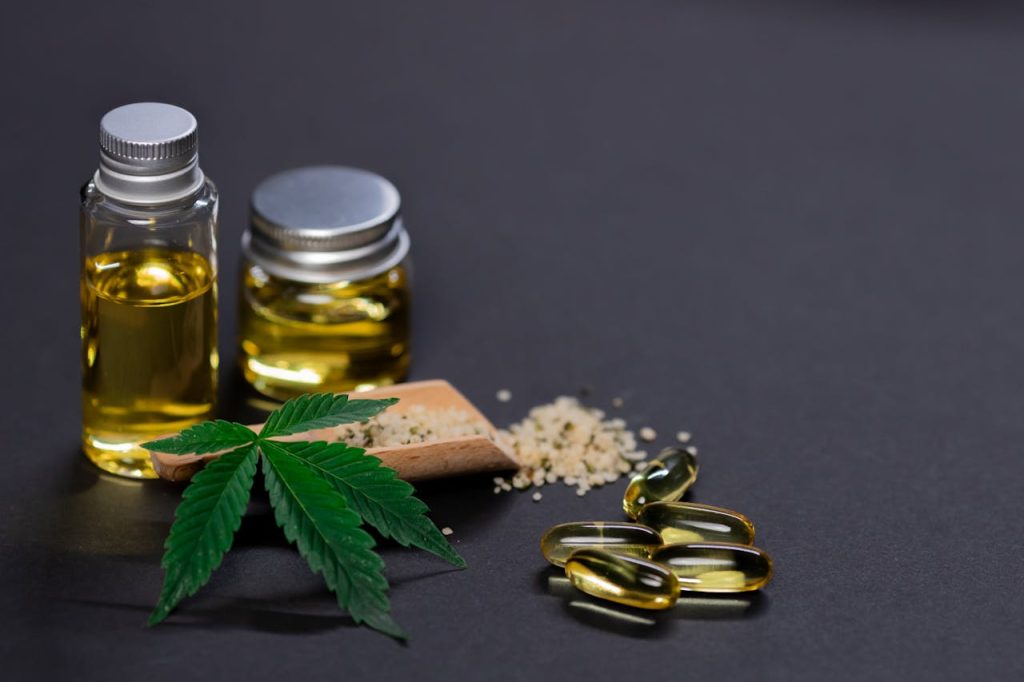
What Is CBD and How Does It Differ From THC?
CBD is one of the many compounds found in the cannabis plant. It is non-psychoactive, meaning it won’t cause a “high.” It’s often derived from hemp, which legally contains less than 0.3% THC (the compound that causes intoxication).
In contrast:
- THC (tetrahydrocannabinol) is psychoactive and can be toxic to pets, especially dogs and cats.
- CBD products for pets should always be THC-free or contain only trace amounts (<0.3%).
This difference is key: Pets should never be given THC-rich cannabis products, even if used safely by humans.
How CBD Works in Pets
Just like humans, pets have an endocannabinoid system (ECS) — a complex cell-signaling network that helps regulate mood, pain, inflammation, appetite, and immune responses.
CBD interacts with CB1 and CB2 receptors in the ECS, helping to:
- Calm anxiety
- Reduce inflammation
- Manage pain
- Support overall homeostasis (balance)
This system is present in dogs, cats, horses, and other mammals, which is why CBD can provide therapeutic effects across species.
Common Uses of CBD for Pets
CBD is being used (often under veterinary guidance) to support pets dealing with various health conditions:
🐾 Anxiety
- Separation anxiety
- Fear of thunderstorms or fireworks
- Travel anxiety
- Some studies have shown CBD may help with anxiety in dogs.
🦴 Pain and Arthritis
- Common in senior dogs and cats
- Reduces inflammation in joints
- May improve mobility and comfort
⚡ Seizures and Epilepsy
- Some research suggests CBD may reduce the frequency and severity of seizures in dogs, similar to its effect in humans with epilepsy.
🐶 Appetite and Digestion
- May stimulate appetite in sick or aging pets
- May help manage symptoms of IBD (inflammatory bowel disease)
🐕 Skin Allergies or Inflammation
Is CBD Safe for Pets?
✅ Generally Safe, When Used Properly
While research is still ongoing, early studies and clinical trials suggest that CBD is well-tolerated in most pets, especially dogs and cats, when administered in proper doses.
However, not all CBD is created equal, and there are risks if you choose the wrong product.
⚠️ What to Avoid:
- Products with high THC content (dangerous or even fatal to pets)
- CBD products not tested by third-party labs
- Human edibles containing chocolate, xylitol, or caffeine
Side effects may include:
- Drowsiness
- Dry mouth
- Slight drop in blood pressure
- Gastrointestinal upset (in rare cases)
Choosing the Right CBD Products for Animals
Not all CBD products are pet-safe. Here’s what to look for:
🧪 Third-Party Lab Testing
Always choose brands that provide a Certificate of Analysis (COA) showing:
- CBD and THC levels
- Test results for pesticides, heavy metals, and solvents
🐕 Pet-Specific Formulas
- Flavors pets like (e.g., chicken, beef, salmon)
- Lower potencies and safer carrier oils like MCT or fish oil
- No added xylitol, artificial sweeteners, or caffeine
🧴 Delivery Methods
- CBD oils/tinctures – Most versatile, can be added to food
- CBD chews or treats – Good for picky eaters
- Topical CBD creams – Ideal for localized skin issues
Dosage Guidelines and Administration
There is no one-size-fits-all dosage, but here are some general tips:
Start Low, Go Slow:
- Begin with 0.2 mg of CBD per pound of body weight
- Increase slowly over 3–5 days based on observed effects
Example Dosage:
- 25 lb dog = ~5 mg of CBD per dose
How to Give It:
- Add drops to food or treats
- Use flavored oils directly on the tongue
- Use topicals for skin conditions
📌 Always monitor your pet for any unusual behavior or symptoms.
Legal Considerations
In the U.S.:
- CBD from hemp (under 0.3% THC) is legal federally under the 2018 Farm Bill
- However, FDA has not approved CBD for pets, and most vets are legally restricted from prescribing or recommending CBD
- Still, many vets can discuss CBD if the owner initiates the conversation
In Canada & EU:
- CBD products for pets in Canada are regulated under the Cannabis Act and may require veterinary approval
- In the UK and EU, veterinary CBD use is more restricted and may require formal veterinary authorization or prescription- only access.
📌 Always check your country’s or state’s veterinary board guidelines before purchasing.

When to Talk to a Veterinarian
Before starting CBD, consult your vet—especially if your pet is on other medications. CBD can interact with:
- Anti-seizure drugs
- NSAIDs (like Rimadyl)
- Liver medications
Signs you should stop or adjust dosage:
- Lethargy
- Diarrhea
- Vomiting
- Loss of coordination
Frequently Asked Questions
❓ Can I give my pet human CBD oil?
No, it’s not recommended. While both humans and pets use CBD, human CBD oils are not always safe for animals due to differences in formulation, dosage, and ingredients.
Here’s why:
- 🧪 Carrier oils like grapeseed or essential oils may be harmful or irritating to pets.
- ❌ Flavored CBD oils (e.g., peppermint, citrus, or chocolate) can be toxic, especially to dogs and cats.
- ⚠️ THC levels in human products may exceed what’s safe for animals—even trace amounts can cause side effects like confusion, tremors, or toxicity in pets.
Pet-specific CBD products are designed with:
- Lower, safer potencies
- Flavors pets like (e.g., bacon, chicken, salmon)
- Clear dosing instructions by weight
- Third-party testing for purity and safety
📌 Bottom line: Stick to CBD that is formulated for pets and backed by independent lab testing.
❓ How long does it take for CBD to work in pets?
The onset of effects depends on your pet’s condition, the form of CBD used, and their metabolism.
Typical timelines:
- Anxiety, stress, or hyperactivity: You may see calming effects within 30 to 60 minutes after oral administration.
- Chronic conditions (arthritis, inflammation, seizures): Improvements often appear after several days to a few weeks of consistent daily use.
- Topicals: For localized pain or skin irritation, effects may be noticeable within minutes to an hour, depending on severity.
⏱ Factors that affect timing include:
- Weight and age of the pet
- Severity of symptoms
- CBD dose and product quality
- Delivery method (e.g., oil vs. treat vs. topical)
Start with a low dose, be consistent, and give the product time to work—CBD works gradually, not instantly for most chronic issues.
❓ What are the side effects of CBD in dogs or cats?
CBD is generally well-tolerated in pets, especially when you use pet-specific products and follow correct dosing. However, like any supplement, mild side effects can occur.
Common side effects include:
- 💤 Drowsiness or lethargy – Often dose-related and more common with higher amounts.
- 💧 Dry mouth – Pets may drink more water due to reduced saliva production.
- 🤢 Mild digestive upset – Such as diarrhea or vomiting, especially when introducing CBD too quickly or using poor-quality products.
Rare but serious symptoms to watch for:
- Tremors
- Disorientation
- Excessive sedation
- Vomiting that persists
📌 What to do:
- Reduce the dosage or pause CBD use.
- Always observe your pet after initial dosing.
- Contact your veterinarian if symptoms continue or worsen.
❓ Is CBD legal for pet use?
Yes, but the legal status of CBD for animals depends on where you live and how the product is sourced and marketed.
🗽 In the United States:
- Hemp-derived CBD (less than 0.3% THC) is federally legal under the 2018 Farm Bill.
- However, the FDA has not approved CBD for pets, meaning:
- Vets can discuss CBD but often cannot prescribe or sell it.
- Pet products are considered supplements, not medications.
🍁 In Canada:
- CBD is regulated under the Cannabis Act and requires a veterinary health product (VHP) license for legal sale for animal use.
🇬🇧/🇪🇺 In the UK and EU:
- Veterinary CBD use is more restricted and may require formal veterinary authorization or prescription-only access.
📌 Always verify your local and state laws, and choose CBD brands that comply with animal supplement regulations in your region.
❓ Can CBD interact with other medications?
Yes, CBD can interact with certain medications, especially those metabolized by the liver.
CBD inhibits cytochrome P450 enzymes, which are responsible for breaking down many drugs in both humans and animals. This can lead to slower drug metabolism, causing the medications to linger longer or increase in concentration, potentially causing side effects.
Medications to be cautious with:
- 💊 Anti-seizure drugs (e.g., phenobarbital, potassium bromide)
- 💊 NSAIDs (e.g., Rimadyl, carprofen)
- 💊 Steroids (e.g., prednisone)
- 💊 Liver-support meds (e.g., Denamarin)
📌 What to do:
- Always consult your vet before starting CBD, especially if your pet is on long-term or high-dose medications.
- Start CBD slowly, monitor your pet’s behavior and lab values (if needed), and report any side effects to your vet immediately.
Conclusion
CBD can offer real, natural relief for pets, especially those dealing with pain, anxiety, or inflammation. But it’s critical to:
- Use lab-tested, pet-safe products
- Avoid THC
- Start with low doses
- Work with a vet whenever possible
With the right approach, CBD may become a safe and effective supplement for your animal’s wellness routine.