
16 July 2025
What Are Terpenes and Why Are They Important in Cannabis?
Ever wondered why some cannabis strains smell like lemons, while others have a strong earthy or pine aroma? That distinct smell comes from terpenes—the aromatic compounds that do more than just smell good. These natural chemicals are now recognized as key players in shaping the effects and therapeutic potential of cannabis.
In this article, you’ll discover what terpenes are, their roles in cannabis, and why they’re more important than you might think—especially if you’re choosing a strain for medical or recreational use.
What Are Terpenes?
Terpenes are naturally occurring organic compounds found in a wide variety of plants—including fruits, flowers, herbs, trees, and most notably, cannabis. These compounds are what give plants their distinctive aromas, flavors, and even colors. In fact, the citrusy zest of an orange, the soothing scent of lavender, or the spicy punch of black pepper all come from different types of terpenes.
In the plant world, terpenes serve critical biological functions. They act as natural defense mechanisms, helping plants repel herbivores, bacteria, and fungi, or attract pollinators and beneficial insects. Each plant develops its own unique blend of terpenes, forming what’s called a terpene profile, which is essentially the plant’s aromatic fingerprint.
In cannabis, terpenes are produced in the same trichomes—the tiny, crystal-like glands on buds—that also generate cannabinoids like THC and CBD. This shared production site is one reason why terpenes and cannabinoids work so well together.
But terpenes aren’t just important for how cannabis smells and tastes. When inhaled, ingested, or absorbed through the skin, they can interact with receptors and neurotransmitters in the human body, influencing mood, stress levels, alertness, and even inflammation or pain perception. For example:
- Limonene, found in citrus fruits, is often associated with elevated mood and anti-anxiety effects.
- Linalool, common in lavender, may promote calmness and sleep.
- Pinene, also found in pine trees, might help with mental clarity and respiratory function.
This is why the same cannabis strain can affect people in different ways, depending on the type and ratio of terpenes it contains. It’s not just about THC percentage—terpenes play a crucial role in shaping the overall experience, flavor, and therapeutic benefits of each strain.
So, while terpenes were once overlooked in cannabis research, they are now recognized as a cornerstone of the plant’s full potential, both recreationally and medically.
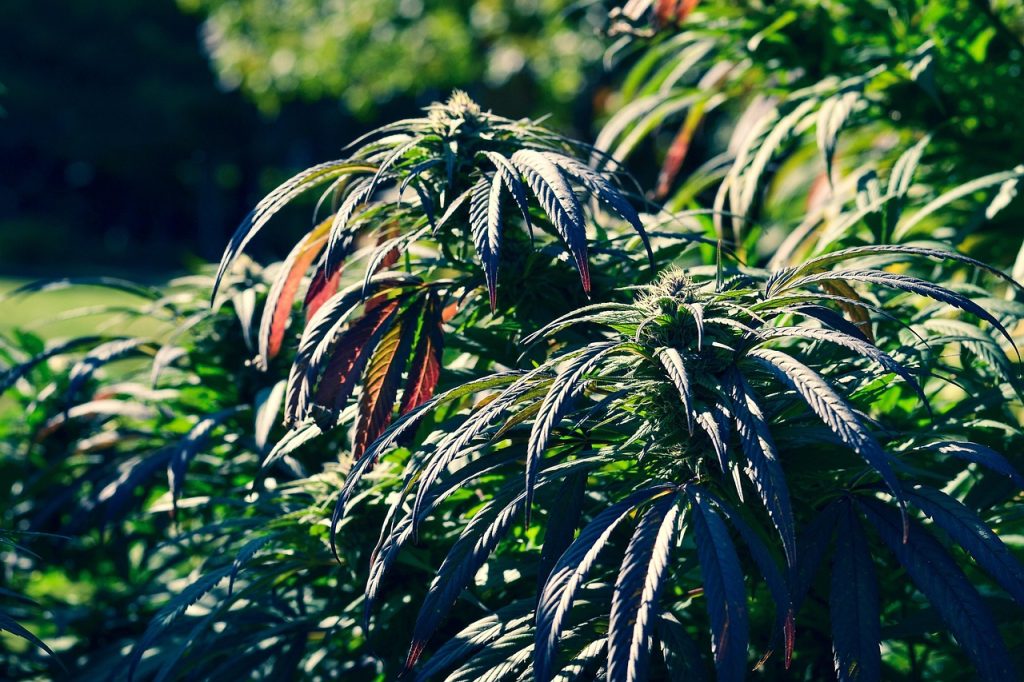
Terpenes in Cannabis: A Unique Relationship
Cannabis is uniquely rich in a wide variety of terpenes. Each strain has a distinct terpene profile, which contributes to its smell, taste, and even its effects.
While THC and CBD get most of the attention, terpenes work behind the scenes to shape the full cannabis experience. Two strains with the same THC level can feel totally different due to their terpene content.
The Entourage Effect
One of the most fascinating discoveries in cannabis science is the entourage effect—the idea that cannabinoids (like THC and CBD) and terpenes work together synergistically.
For example:
- Linalool may increase the calming effects of CBD.
- Limonene might enhance mood and reduce anxiety, amplifying the “uplift” from certain strains.
The entourage effect suggests that whole-plant medicine—with both cannabinoids and terpenes intact—is often more effective than isolated THC or CBD.
Common Cannabis Terpenes and Their Effects
Here’s a breakdown of some of the most common terpenes found in cannabis and what they do:
Terpene | Aroma/Flavor | Possible Effects |
Myrcene | Earthy, musky | Sedative, anti-inflammatory |
Limonene | Citrus, lemon | Mood-enhancing, anti-anxiety |
Pinene | Pine, fresh | Alertness, memory support |
Linalool | Floral, lavender | Relaxing, calming, may reduce stress |
Caryophyllene | Spicy, peppery | Pain relief, anti-inflammatory |
These terpenes not only smell amazing—they may also enhance the medicinal effects of cannabis for conditions like anxiety, pain, and insomnia.
Why Terpenes Matter: More Than Just Aroma
Understanding terpenes goes far beyond picking a strain based on scent. They’re crucial for:
- Targeted relief: Certain terpene profiles may be more effective for pain, anxiety, or sleep.
- Strain selection: Instead of just choosing by THC %, informed consumers look at terpene lab results. Many states with legal cannabis require testing for terpenes; for example, see Minnesota’s list of terpenes that may be tested.
- Therapeutic potential: Research is ongoing, but many terpenes are being explored for their anti-inflammatory, antibacterial, and anti-anxiety properties.
How to Preserve Terpenes in Cannabis
Terpenes are volatile, meaning they can easily evaporate or break down—especially when exposed to heat, air, or light. To preserve them:
- Store cannabis in airtight containers away from sunlight.
- Use low-temperature vaporization methods to avoid burning off terpenes.
- If using concentrates, look for “live resin” or “terpene-rich” products.
Preserving terpenes ensures you’re getting the full spectrum of benefits from your cannabis.
Frequently Asked Questions
What are terpenes in cannabis?
Terpenes are naturally occurring aromatic compounds found in cannabis, as well as in many herbs, fruits, and flowers. In cannabis, they are secreted in the same glands as cannabinoids like THC and CBD. These compounds are what give different strains their distinct aroma and flavor profiles, from fruity and citrusy to earthy and skunky. Beyond just smell, terpenes can interact with cannabinoids to influence the overall effects of a strain, playing a major role in how cannabis makes you feel.
Do terpenes get you high?
No, terpenes do not produce a psychoactive “high” like THC does. However, they can modify or enhance the effects of cannabinoids through what’s known as the entourage effect. For instance, some terpenes may promote relaxation and stress relief, while others may boost energy and focus. So while they don’t intoxicate you on their own, terpenes are still key players in how a strain affects your mood and experience.
How do terpenes affect cannabis strains?
Terpenes contribute to a strain’s flavor, aroma, and potential therapeutic effects. For example, a strain rich in limonene may smell like citrus and provide uplifting or anti-anxiety effects, whereas one high in myrcene may have a musky scent and deliver more sedative, body-heavy effects. That’s why two strains with identical THC content can feel completely different—their terpene profiles make the difference.
What is the entourage effect?
The entourage effect is a scientific theory suggesting that cannabinoids and terpenes work better together than in isolation. This synergy enhances the therapeutic benefits of cannabis. For example, CBD combined with linalool might offer greater anxiety relief than CBD alone. Essentially, it means that the whole plant may be more effective than just THC or CBD extracts, especially for medical users.
Are terpenes safe to consume?
Yes, when consumed through traditional methods like smoking, vaping, or edibles, terpenes in cannabis are considered safe for most people. However, it’s important to know that terpenes are highly concentrated in essential oils and can be irritating or even toxic if used improperly or in large amounts. Stick to well-tested cannabis products and avoid adding pure terpenes to your consumption without proper knowledge or guidance. For regulations on terpenes in inhaled cannabis products, see state-specific guidance, such as California’s requirements.
Which cannabis terpenes are best for anxiety?
Some terpenes are thought to have natural calming or anxiolytic effects. These include:
- Linalool – Also found in lavender; promotes relaxation and stress relief.
- Limonene – Found in citrus fruits; may elevate mood and ease anxious thoughts.
- Myrcene – A sedative terpene found in hops and mango; may help with sleep and stress.
These terpenes are commonly found in strains that are recommended for anxiety relief. Always check lab-tested terpene profiles to choose strains that best match your needs.
Do terpenes affect the taste of cannabis?
Yes, terpenes are the primary source of cannabis flavor. They give strains their unique taste, whether it’s sweet and fruity like mango or pungent and spicy like cloves. This is why two strains with similar cannabinoid content can taste—and feel—completely different. The terpene profile influences not only flavor and aroma but also how enjoyable the strain is to consume.
How can I tell which terpenes are in a strain?
Many reputable dispensaries and cannabis brands now provide lab-tested terpene profiles on product packaging or websites. These reports typically show the dominant terpenes and their percentages. You can also:
- Ask your budtender about the terpene profile.
- Look up strain information on trusted databases like Leafly or Weedmaps.
- Choose products labeled with specific terpenes or effects (e.g., “limonene-rich” or “relaxing”).
Knowing this can help you make better-informed choices based on flavor and therapeutic goals.
Can you preserve terpenes in cannabis products?
Yes, but terpenes are fragile and easily destroyed by heat, light, and oxygen. Here’s how to keep them intact:
- Store cannabis in airtight containers (glass jars with seals work best), and keep them in a cool, dark place.
- Use low-temperature vaporization (around 310–330°F or 155–165°C) to preserve volatile terpenes.
- Choose cannabis products labeled “live resin,” “cold-cured,” or “terpene-rich”, which are made using processes that retain more of the plant’s natural terpene profile.
Proper storage and consumption methods can help you get the most out of your cannabis experience by maintaining its full flavor and effect potential.
Conclusion: Why Terpenes Deserve Your Attention
Terpenes are more than just the fragrant compounds that make your favorite strain smell like citrus, pine, or lavender—they are key to unlocking the full potential of cannabis. These powerful plant chemicals influence how cannabis tastes, smells, and feels, and they interact with cannabinoids in a way that can enhance or balance the overall effects.
Whether you’re seeking relaxation, focus, creativity, pain relief, or anxiety reduction, the terpene profile of a strain can dramatically shape your personal experience. For example, a high-THC strain rich in myrcene may feel deeply sedating, while a similar strain with high pinene and limonene could feel energetic and uplifting.
Understanding terpenes is essential for making informed, effective cannabis choices—especially in a world where relying solely on THC or CBD percentages often leads to inconsistent results. Consumers, patients, and even recreational users can benefit from exploring terpene content to find the right strain for their needs and preferences.
So the next time you’re at a dispensary or browsing online, don’t just focus on the highest THC level. Take a closer look at the terpene profile listed on the label or lab report. It could completely transform your cannabis experience, helping you find more precise, personalized, and potentially more therapeutic outcomes.