
12 July 2025
✅ Cannabis Rules in Oklahoma City: A Detailed 2025 Guide
Oklahoma is among the most cannabis-friendly states in the U.S., with a well-established medical marijuana market, thousands of licensed dispensaries, and a regulatory environment that is more open than in many other states. Since the approval of medical cannabis in 2018 (State Question 788), the state has rapidly developed a robust infrastructure to support patient access, product safety, and dispensary compliance. This progress has made Oklahoma a model of efficiency in cannabis licensing and operations, even without the presence of a recreational program.
For residents or newcomers to Oklahoma City — the state’s capital and largest city — understanding the nuances of local cannabis laws is essential for ensuring legal and responsible usage. The city’s approach largely mirrors state-level regulations but is shaped by local enforcement culture and public health priorities. Whether you’re seeking relief through medical cannabis or just moving to the area, knowing the rules can help prevent legal issues and ensure full access to what Oklahoma’s medical program has to offer.
This guide provides a comprehensive overview of cannabis regulations in Oklahoma City, including how to access medical marijuana, legal limits on possession, what dispensaries offer, rules for home cultivation, transportation laws, and how local law enforcement treats cannabis-related offenses. With evolving legislation, pending delivery services, and one of the nation’s most flexible medical approval systems, staying informed is not only important — it’s essential for fully understanding your rights and responsibilities as a cannabis patient in OKC.
🌿 Cannabis Legalization in Oklahoma City
Cannabis is legal in Oklahoma City exclusively for medical use. The state has not yet legalized recreational marijuana, and adult-use sales are not permitted. However, enforcement practices within Oklahoma City are generally more tolerant than in other jurisdictions. The city follows state-level cannabis regulations as established by the Oklahoma Medical Marijuana Authority (OMMA), which offers a relatively open framework for patient access.
Medical cannabis is permitted for state-licensed patients, and Oklahoma City is home to a large number of OMMA-licensed dispensaries. While recreational cannabis remains illegal, the city’s law enforcement typically focuses on higher-priority crimes rather than low-level cannabis violations. Despite this, activities like public consumption, driving under the influence, or possession on federal property remain criminal offenses.
🏥 Qualifying for Medical Marijuana in Oklahoma City
Oklahoma is unique in that it does not impose a restrictive list of qualifying medical conditions. Physicians are given broad authority to determine whether a patient may benefit from medical cannabis. As a result, conditions such as chronic pain, anxiety disorders, PTSD, migraines, insomnia, and even more general symptoms like inflammation or loss of appetite may be approved.
To qualify, patients must first undergo a medical evaluation conducted by a state-licensed physician. If approved, they can apply through the OMMA online portal. Required documents include proof of residency, a valid state-issued ID, and the physician’s written recommendation. The standard application fee is $100, though patients on Medicaid (SoonerCare) may qualify for a reduced fee of $20. OMMA processes applications within 14 business days, and the card is delivered via mail. Once approved, patients gain full legal access to Oklahoma’s dispensaries and protections under state law.
📍 Dispensary Access in Oklahoma City
With one of the highest dispensary counts per capita in the U.S., Oklahoma City offers patients an abundance of access points for cannabis. Dispensaries range from boutique-style shops to large multi-location providers. Well-known names include Likewise Cannabis, The Peak Dispensary, Likewise OKC on Classen Blvd, Nature’s Kiss Dispensary, and Green Roots Wellness.
All dispensaries are required by law to verify the patient’s OMMA-issued medical card and a valid photo ID before completing any transaction. Many dispensaries have embraced customer-friendly features, including loyalty programs, daily discounts, online ordering platforms, and curbside pickup. Some also offer educational consultations and product guidance for new patients. These services make the process of obtaining medical cannabis more accessible, especially for those with mobility limitations or chronic illnesses.
🛍️ Available Cannabis Products in OKC
Oklahoma’s cannabis laws allow dispensaries to offer a diverse range of products. The most common include:
- Cannabis flower (in indica, sativa, and hybrid strains)
- Pre-rolled joints and blunts
- Edibles (gummies, chocolates, baked goods), limited to 10mg THC per serving
- Vape cartridges and disposable pens
- Concentrates such as wax, shatter, live resin, and crumble
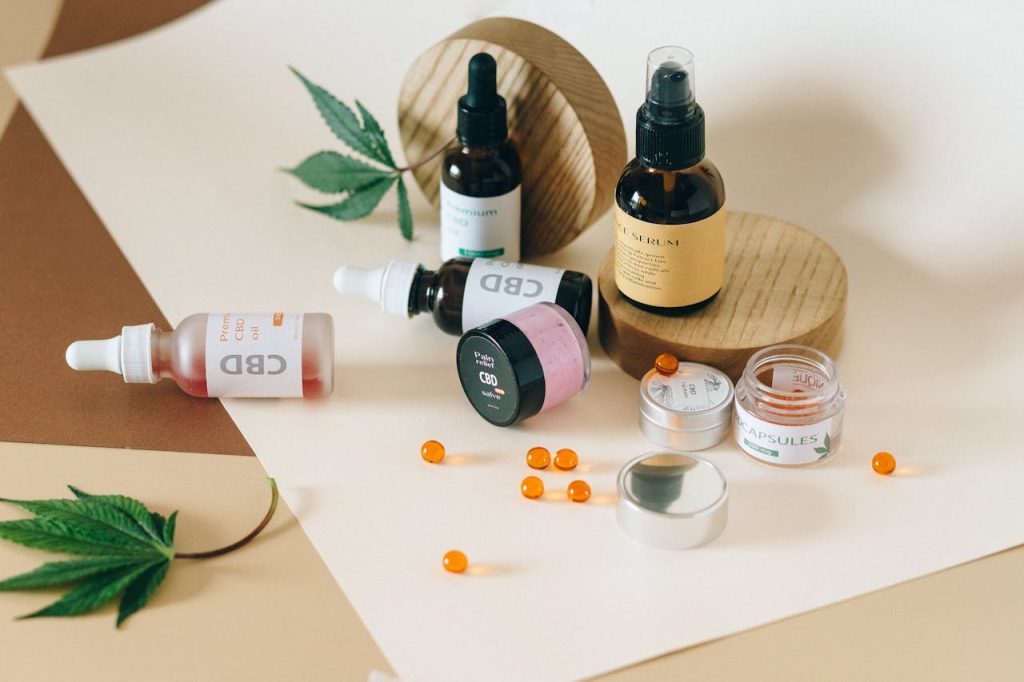
- Tinctures, capsules, oils, and topicals for external use
All products must be lab-tested for potency and contaminants. Packaging must include proper labeling for THC and CBD content, dosage, ingredients, and compliance certification. Oklahoma requires that edibles do not exceed the 10mg THC-per-serving limit. These quality control measures ensure patient safety and consistency across dispensary products.
📋 Cannabis Possession Guidelines
Once licensed, medical marijuana patients in Oklahoma City are allowed to possess the following quantities:
These limits are strictly enforced, and exceeding them may result in legal penalties. Patients must also be mindful of their environment. Cannabis use is prohibited in public areas, including sidewalks, parks, and vehicles. Possession or use on federal property, such as airports, courthouses, and schools, is a federal offense regardless of state law.
🚗 Transportation and Vehicle Use Laws
Medical cannabis can be transported in a vehicle as long as it remains sealed and out of direct access. Patients must carry their OMMA card during transport and ensure products are not opened or consumed inside the vehicle. Oklahoma law prohibits any form of consumption in moving or parked vehicles.
Transporting cannabis across state lines is illegal and considered drug trafficking under federal law. Additionally, driving under the influence of THC is classified as a DUI offense in Oklahoma and can lead to license suspension, fines, or even imprisonment. The state does not have a specific THC blood concentration limit, so law enforcement may rely on observable signs of impairment during a traffic stop.
👮 Enforcement and Penalties for Non-Patients
Non-patients found in possession of cannabis in Oklahoma City may still face legal consequences. However, the city has adopted a relatively lenient approach toward minor infractions. A first-time offender with less than 1.5 ounces of cannabis is typically issued a misdemeanor citation with a $400 fine. There is no jail time for minor possession without aggravating factors.
Possession of larger quantities, repeat offenses, or intent to distribute can lead to felony charges, arrest, and significant legal consequences. Even for cardholders, violations such as exceeding possession limits or consuming cannabis in public may lead to fines, probation, or revocation of the OMMA license. Patients should remain vigilant to avoid behavior that could jeopardize their legal standing.
🌱 Home Cultivation Regulations in OKC
Oklahoma is among the few states that allow medical marijuana patients to grow cannabis at home. In Oklahoma City, a licensed patient can cultivate up to 6 mature plants and 6 seedlings at their primary residence. The plants must be grown indoors or in a secured outdoor area not visible from any public space.
Security measures such as fencing, locked grow tents, and restricted access are recommended to prevent theft and unauthorized access. Patients must not sell, distribute, or share their homegrown cannabis, as such actions are considered illegal distribution and are punishable under state law.
In the event of a compliance check, having clearly labeled plants, proof of residency, and a visible copy of your OMMA card can help demonstrate adherence to the law. Cultivation beyond the legal limits or without proper documentation can lead to felony charges and severe penalties.
🌐 Access for Out-of-State Medical Marijuana Patients
Oklahoma offers temporary licenses for medical marijuana patients visiting from out of state. Individuals with a valid medical card from another U.S. state can apply for a temporary license through the OMMA website. These licenses are valid for 30 days and may be renewed indefinitely. Applicants must submit proof of identity, a digital photo, and a copy of their out-of-state medical license. The fee for a temporary license is $100, with no discount for Medicaid or low-income applicants.
Once approved, temporary license holders have the same rights and responsibilities as Oklahoma residents. They can purchase from any licensed dispensary, possess cannabis within the state-mandated limits, and use cannabis on private property with the owner’s consent. However, public use and transportation restrictions still apply, and out-of-state patients must carry their temporary license at all times.
🛵 Cannabis Delivery and Caregiver Support
As of 2025, cannabis delivery is not yet available in Oklahoma City. However, Senate Bill 534 has paved the way for licensed delivery services to begin operating on November 1, 2025. This law will allow dispensaries to deliver medical cannabis directly to patients’ homes, provided they are registered with OMMA.
In the meantime, dispensaries may offer online ordering and curbside pickup. Patients who cannot travel may designate a caregiver to purchase cannabis on their behalf. Caregivers must also be registered with OMMA and possess an authorization card. Many dispensaries have implemented dedicated pickup lanes for caregivers to streamline service and minimize exposure for immunocompromised patients.
🧠 Conclusion: Navigating Cannabis Laws in Oklahoma City
Oklahoma City has developed one of the most accessible and patient-centered medical marijuana programs in the country. While recreational cannabis remains illegal, the city’s medical framework provides qualified patients with a wide range of legal protections and options for cannabis access.
Patients are encouraged to:
Though enforcement is relatively lenient for first-time infractions, cannabis remains a controlled substance under both state and federal law. Following legal protocols, understanding local rules, and using responsibly are the best ways to enjoy cannabis safely and without consequence in Oklahoma City.