
16 July 2025
What Is “Microdosing” Cannabis and What Are Its Benefits?
When people think of cannabis, they often imagine getting high, couch-locked, or blissed out. But not everyone uses cannabis to chase a heavy buzz—some are turning to microdosing for a gentler, more therapeutic experience.
Microdosing involves taking very small, controlled doses of THC—the psychoactive compound in cannabis—to experience subtle benefits without the high. It’s a growing trend among health-conscious users, professionals, and people managing anxiety, pain, or stress.
In this article, we’ll explore what cannabis microdosing is, how it works, its benefits, and how to get started safely.
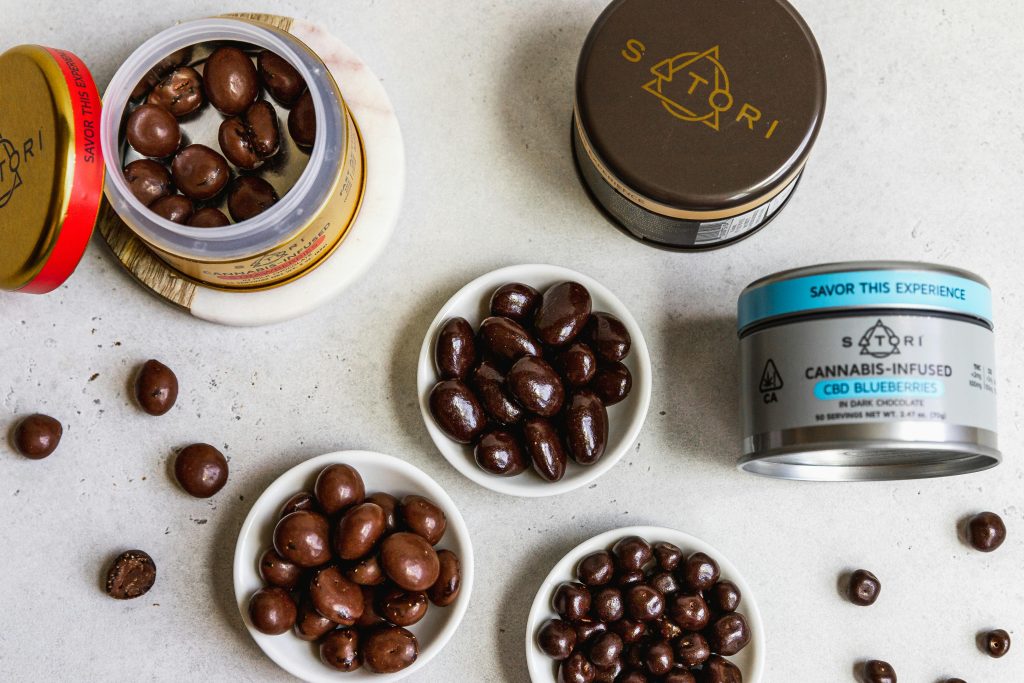
What Is Microdosing Cannabis?
Microdosing cannabis means taking a very small dose of THC, typically between 1 and 5 milligrams, with the intention of avoiding intoxication while still reaping therapeutic or functional benefits.
Unlike a recreational dose that can result in strong euphoria or sedation, a microdose is meant to enhance daily life without impairing it. People use microdoses to boost focus, creativity, mood, or relieve mild symptoms like pain or anxiety—all while staying clear-headed.
How Microdosing Works
Cannabis interacts with your endocannabinoid system (ECS)—a regulatory network that affects everything from mood to sleep to inflammation. THC binds to cannabinoid receptors in your body, and even small amounts can activate these receptors.
Microdosing works by gently stimulating the ECS instead of overwhelming it. This low-level activation can regulate mood, reduce pain, or ease anxiety without pushing your system into an altered mental state.
Everyone’s body is different, and response to THC varies based on:
- Body weight and metabolism
- Cannabis tolerance
- Sensitivity to THC
- Method of consumption
That’s why starting low and increasing slowly is key to finding your personal sweet spot.
Methods of Microdosing
To microdose effectively, you need precise control over dosage. The best methods for microdosing cannabis include:
Edibles (Gummies or Capsules)
- Available in low-dose formats (e.g., 2.5 mg THC per piece)
- Long-lasting but slower onset (1–2 hours)
Tinctures (Sublingual Drops)
- Fast absorption under the tongue
- Easy to measure specific doses using a dropper
Vaporizers with Dosage Control
- Inhalation allows near-instant effects
- Harder to dose accurately, but easier with measured puffs
Sublingual Sprays
- Sprayed under the tongue for fast, discreet use
- Often labeled with exact milligrams per spray
Important: Smoking is not ideal for microdosing because it’s difficult to control the amount of THC you’re consuming.
Benefits of Microdosing Cannabis
Many users report a variety of functional and wellness benefits from low-dose cannabis. These include:
- Improved Focus & Mental Clarity
Small THC doses may stimulate dopamine and help users concentrate without mental fog. - Reduced Anxiety & Stress
Microdoses can ease mild anxiety without triggering the paranoia some people feel with high-THC doses. - Boosted Creativity
Low doses can enhance creative thinking and open-mindedness without derailing productivity. - Improved Sleep Quality
In some cases, low doses help regulate sleep cycles and promote relaxation—especially when combined with CBD. - Pain & Inflammation Relief
Great for those managing chronic pain, arthritis, or menstrual discomfort without heavy sedation. - Emotional Balance
Users report feeling more grounded, present, and emotionally regulated.
- Improved Focus & Mental Clarity
For many, microdosing offers just enough of cannabis’s benefits—without feeling “high,” sleepy, or overstimulated. Research from institutions like the NIH (National Institutes of Health) and NIDA (National Institute on Drug Abuse) continues to explore the therapeutic potential of cannabinoids and other cannabis compounds at various dosages.
Who Should Consider Microdosing?
Microdosing cannabis can be ideal for people who:
- Are sensitive to THC and don’t enjoy strong psychoactive effects
- Want to reduce stress or anxiety while staying mentally clear
- Use cannabis during work or daily tasks and want to avoid impairment
- Need functional symptom relief (e.g., pain, mood swings, ADHD)
- Are new to cannabis and want to ease in gradually
It’s also great for long-time users looking to reset their tolerance or practice more mindful consumption.
Risks and Considerations
While microdosing is relatively low-risk, there are a few important things to keep in mind:
- Individual Variability
Your ideal microdose may differ from someone else’s based on your biology and past cannabis use. - Overconsumption
It’s easy to accidentally take too much if you’re not using precise methods. Too high a dose can lead to anxiety, grogginess, or distraction. - Legal Restrictions
Cannabis is still federally illegal in the U.S. under the Controlled Substances Act as a Schedule I substance, although states have varying laws. Always check local and state laws before using or purchasing cannabis products. - Medical Interactions
If you’re on medications or have a medical condition, consult a doctor before using cannabis—even at low doses. The FDA has not approved the cannabis plant for any medical use, though it has approved certain cannabinoid-containing drugs.
- Individual Variability
Microdosing vs. Traditional Use
Here’s a quick comparison:
Aspect | Microdosing | Traditional Use |
THC Amount | 1–5 mg | 10–50+ mg |
Purpose | Functionality, clarity, subtle relief | Recreation, strong relief, intoxication |
Mental Effects | Minimal to none | Moderate to strong |
Best For | Daytime use, sensitive users | Evenings, experienced users |
Risk of Overdoing | Low (with care) | Higher |
Microdosing is often seen as a more sustainable, mindful approach—especially for wellness-driven consumers.
Tips for Getting Started
Ready to try microdosing? Here’s how to start smart:
Start Low, Go Slow
Begin with 1 mg of THC and wait 1–2 hours to assess effects before increasing.
Keep a Journal
Track your dose, method, timing, and how you feel. This helps you fine-tune your ideal range.
Choose Quality Products
Look for lab-tested, clearly labeled products with precise THC measurements. Microdose-specific edibles or tinctures are ideal.
Be Mindful of Setting
Start in a safe, comfortable environment, especially if you’re new to cannabis.
Frequently Asked Questions
What does microdosing cannabis mean?
Microdosing cannabis is the practice of consuming very small, carefully measured doses of THC, typically in the range of 1 to 5 milligrams, to gain the therapeutic benefits of the plant without experiencing intense psychoactive effects or feeling “high.”
The purpose of microdosing is to support mental clarity, emotional balance, and physical wellness in a way that’s subtle and functional. Unlike traditional cannabis use, which often results in noticeable intoxication, microdosing allows users to go about their day normally, whether at work, home, or in social settings.
What are the benefits of microdosing cannabis?
While research into microdosing is still growing, many users report a range of benefits, including:
- Reduced anxiety and stress: Low doses of THC may calm the nervous system and reduce racing thoughts.
- Improved focus and creativity: Many professionals and creatives find microdosing boosts productivity without brain fog.
- Mood stabilization: Some individuals use microdosing to manage mild depression or mood swings.
- Better sleep quality: Taken in the evening, microdoses can aid sleep without heavy sedation.
- Pain and inflammation relief: Especially for people with chronic pain, migraines, or arthritis.
The goal isn’t to get high—it’s to feel just a little bit better, in a manageable and repeatable way.
How much THC is considered a microdose?
A typical microdose is between 1 and 2.5 mg of THC, depending on the user’s tolerance and goals. Some users—especially those with a higher tolerance—may go up to 5 mg, but that’s generally considered the upper limit for microdosing.
For beginners or THC-sensitive individuals, starting with 1 mg or less is recommended. Always start low and go slow—you can increase the dose gradually once you understand how your body responds.
Will I get high from a cannabis microdose?
In most cases, no, you won’t feel traditionally “high” from a microdose. Instead, people often describe the effects as:
- Subtle relaxation
- Mild uplift in mood
- Enhanced focus or creativity
- Gentle physical relief
You should still feel clear-headed and functional, not impaired or spaced out. If you do feel noticeably high, the dose may be too strong for your needs.
Is microdosing cannabis safe?
For most healthy adults, microdosing cannabis is considered low-risk and generally safe, especially when:
- You begin with small doses
- Use tested and labeled products
- Track your effects and adjust as needed
However, individual factors such as body weight, metabolism, mental health conditions, or medications may influence how your body responds. Always:
- Start with the lowest effective dose
- Wait and observe effects before taking more
- Consult a doctor if you are on medication or managing a chronic condition
What’s the best way to microdose cannabis?
The best way to microdose is with products that allow for precise, consistent dosing. Top methods include:
- Low-dose edibles (e.g., gummies, mints, or capsules containing 1–2.5 mg of THC)
- Tinctures and oils with clear dropper markings (ideal for sublingual absorption)
- Sublingual sprays for fast onset and controlled microdoses
- Vaporizers with precise dosage control or single puffs for quick feedback
Avoid smoking if you’re trying to microdose—it’s harder to control how much THC you’re inhaling, making the experience less predictable.
Can I microdose cannabis daily?
Yes, many people find that microdosing cannabis daily supports their routine, particularly for managing:
- Chronic stress
- Low-grade anxiety
- Mild pain
- ADHD or focus issues
- Creative blocks
That said, it’s still a good idea to take occasional tolerance breaks (also called “reset days”) or to vary your routine slightly to prevent building up a THC tolerance, which can reduce the effectiveness of your dose over time.
Can I combine THC and CBD when microdosing?
Yes! In fact, many people prefer to microdose with a combination of THC and CBD. Here’s why:
- CBD can reduce the psychoactive intensity of THC, making the experience smoother and more balanced.
- CBD has its own benefits—anti-inflammatory, anti-anxiety, and neuroprotective—that can complement THC’s effects.
- Combining the two allows users to customize their experience more precisely.
A good starting point is a 1:1 THC:CBD ratio, but you can adjust to higher CBD ratios if you’re sensitive to THC. The 2018 Farm Bill legalized hemp, defined as cannabis with less than 0.3% Delta-9 THC, and products derived from it, making many CBD products federally legal.
Is microdosing cannabis legal?
The legality of microdosing depends entirely on your location:
- In places where cannabis is fully legal for recreational use (e.g., Canada, certain U.S. states, Uruguay), microdosing is perfectly legal as long as you’re within the permitted possession limits.
- In regions where cannabis is legal for medical use only, you may need a medical marijuana card or prescription to access THC products.
- In states where cannabis is prohibited, any amount of THC may be illegal, including microdoses. Federal law still classifies cannabis as a Schedule I substance, meaning it’s federally illegal regardless of state laws. However, federal enforcement typically focuses on large-scale trafficking rather than individual use in states with legal programs. For news and current developments on federal cannabis policy, including discussions around rescheduling, you can consult Marijuana Moment.
Always check local laws and regulations before purchasing or using cannabis products, and never travel across borders with any THC—even in microdose amounts. To find state-legal dispensaries, you would typically look at state government websites for their cannabis control boards or health departments, or state-licensed dispensary lists, such as those that might be available via state resources linked on the National Conference of State Legislatures’ page.
Conclusion
Microdosing cannabis is a low-impact, high-benefit way to experience the plant’s potential without going overboard. Whether you’re looking to relieve anxiety, ease pain, or spark creativity, microdosing offers a way to tap into cannabis’s benefits while staying present and productive.
It’s not about getting high—it’s about feeling better, with balance and control.
So, if you’re curious but cautious about cannabis, microdosing might just be the perfect entry point