
20 July 2025
Cannabis and Music: Its Influence on Different Genres and Artists
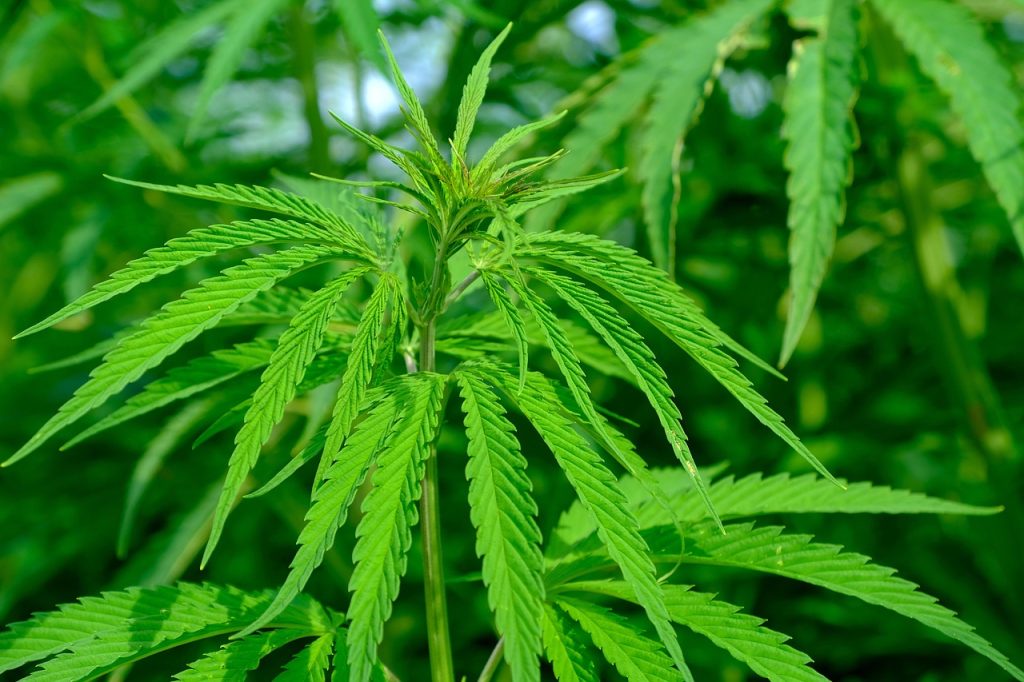
For decades, cannabis and music have shared a deep, creative connection. From jazz improvisation to reggae’s spiritual symbolism to modern rap lyrics, cannabis has shaped how artists create, how listeners experience sound, and how culture interprets both.
This article explores the rich relationship between cannabis and music across genres, tracing how the plant has inspired musicians, altered soundscapes, and redefined musical identity around the world.
Early Roots: Jazz and the Birth of Cannabis Culture
In the early 20th century, cannabis became popular in jazz communities—especially in cities like New Orleans, Chicago, and Harlem.
🎷 Jazz musicians, including Louis Armstrong, frequently used cannabis, which they called “muggles.” They believed it helped with creativity, improvisation, and relaxation.
Cannabis use among jazz artists wasn’t just a personal choice—it became a symbol of freedom and resistance. However, this led to racist crackdowns, with the government using cannabis laws to target Black musicians during a period of systemic oppression.
The Psychedelic Era: Rock, Folk, and Counterculture (1960s–70s)
As the 1960s unfolded, cannabis emerged as a key part of the counterculture movement. It became associated with peace, rebellion, and expanded consciousness.
🎸 Artists like:
- Bob Dylan (credited with introducing The Beatles to cannabis)
- The Beatles (“Got to Get You Into My Life” is about weed)
- Jimi Hendrix and The Grateful Dead
… openly experimented with cannabis and psychedelics, blending altered states of consciousness with musical innovation.
Cannabis helped shape psychedelic rock and protest folk music, both used as vehicles for political and social change.
Reggae and Rastafarianism: A Spiritual Connection
No genre is more spiritually linked to cannabis than reggae. In Rastafarian culture, cannabis (called “ganja”) is considered a sacred plant used in meditation and prayer.
🇯🇲 Bob Marley became the global face of cannabis spirituality, using reggae as a platform to share messages of peace, resistance, and divine consciousness.
Cannabis wasn’t just part of reggae music—it was central to its identity, its message, and its global cultural impact
Hip-Hop and Cannabis in the Modern Era (1990s–2000s)
In the 1990s and early 2000s, hip-hop and rap embraced cannabis as both lifestyle and branding.
🎤 Icons like:
- Snoop Dogg
- Wiz Khalifa
- Cypress Hill
- Redman & Method Man
… built entire personas around weed. Cannabis was portrayed as a symbol of success, self-expression, and even defiance of the criminal justice system.
As laws began to shift, these artists became entrepreneurs, launching branded strains, rolling papers, and full-blown cannabis businesses—blurring the line between artist and cannabusiness mogul.
EDM, Lo-Fi, and Contemporary Genres
Modern genres like Electronic Dance Music (EDM), lo-fi hip-hop, and ambient music are deeply associated with cannabis culture.
🎶 Cannabis enhances sensory immersion, making it a popular companion at:
- Music festivals
- Chill-out lounges
- Studio sessions
EDM artists often embrace cannabis alongside other psychedelics, using it to elevate live shows. Meanwhile, lo-fi and chillhop playlists are marketed as “music to relax, study, or smoke to,” tapping into the streaming generation’s evolving weed culture.
Cannabis and Musical Creativity: Myth vs. Science
Many artists claim that cannabis boosts:
- Creativity
- Focus
- Imagination
- Emotional depth
Some research supports these claims, showing that THC can increase dopamine and pattern recognition, which may help with musical flow and spontaneous idea generation.
However, high doses can also cause:
🎵 Bottom line: Cannabis may help generate ideas or alter perception, but it’s not a magical tool. Results vary depending on strain, dose, and individual tolerance.
Cannabis References in Lyrics and Branding
Over time, cannabis references in music have evolved:
🗣 Old-school examples:
- Disguised or coded references (“Mary Jane,” “reefer,” “chronic”)
🎤 Modern lyrics:
- Bold, open celebration (“Roll me up and smoke me when I die” – Willie Nelson)
Today, cannabis isn’t just mentioned in songs—it’s:
- Embedded in album art and music videos
- Used in branding collabs between artists and dispensaries
- Central to artist-led cannabis brands (e.g., Khalifa Kush, Leafs by Snoop)
As legalization expands, musicians are cashing in on the cultural and commercial power of cannabis.
Frequently Asked Questions
Which music genres are most influenced by cannabis?
Historically, cannabis has been deeply embedded in the DNA of several influential genres:
- Jazz: In the 1920s–40s, cannabis was a staple in jazz circles. Artists like Louis Armstrong praised it for enhancing improvisation and feeling.
- Reggae: Rooted in Rastafarian spirituality, cannabis plays a central role in both the message and ritual of reggae music. Bob Marley, Peter Tosh, and others elevated its global image.
- Rock: From The Beatles to Pink Floyd, cannabis influenced psychedelic and progressive rock by altering perception, inspiring lyrics, and stretching musical boundaries.
- Hip-Hop: Especially from the 1990s onward, weed became a lyrical mainstay. It symbolized rebellion, relaxation, and street culture, with artists like Snoop Dogg and Cypress Hill leading the way.
In recent years, newer genres have also embraced cannabis culture:
- Lo-fi hip-hop and chillhop are often paired with cannabis use, both marketed as background music for relaxation and introspection.
- EDM and trap often reflect the party and lifestyle aspects of cannabis culture.
- Ambient, neo-soul, and R&B explore the more sensual and meditative sides of cannabis experiences.
Cannabis’s versatility makes it adaptable across genres—whether for spiritual exploration, creative enhancement, or cultural identity.
Does cannabis actually improve musical creativity?
Cannabis can enhance musical creativity for some, but its effects are highly individual and dose-dependent.
🔬 Potential benefits reported by artists:
- Enhanced sensory perception (especially of sound and rhythm)
- Increased ability to enter a “flow” state
- Loosened mental blocks or self-censorship
- Abstract, nonlinear thinking that fosters innovation
However, research shows that too much THC can impair short-term memory, attention, and motor coordination—all of which can negatively impact performance or productivity.
🎯 Best practices:
- Low to moderate doses are more likely to support creativity
- Familiar environments and relaxed settings can help avoid anxiety or paranoia
- Some prefer using cannabis only during brainstorming, then editing and refining sober
🧠 Fun fact: Studies suggest musicians might benefit most when cannabis is used to explore new ideas—not necessarily to perform or finalize them.
Why do so many rappers start cannabis brands?
For many hip-hop artists, cannabis is more than a substance—it’s part of their personal and cultural identity. Starting a cannabis brand allows them to:
- Capitalize on authenticity: Fans trust artists who have long embraced cannabis in their music and lifestyle.
- Diversify income: With the legal market booming, cannabis is a lucrative business opportunity for celebrities and influencers.
- Control the narrative: Owning a brand lets artists shape how cannabis is grown, marketed, and represented in the culture.
- Reclaim power: Given how many rappers and Black Americans were targeted during the War on Drugs, cannabis entrepreneurship is also seen as a form of economic justice and empowerment.
🎤 Examples:
- Wiz Khalifa – Khalifa Kush
- Snoop Dogg – Leafs by Snoop
- Jay-Z – Monogram
- Berner – Cookies (a multi-state cannabis empire)
Many of these artists are now as well-known in the cannabis industry as they are in the studio.
Was cannabis ever banned from being mentioned in music?
Cannabis has never been officially banned from lyrics, but artists have often had to self-censor due to social stigma or commercial pressure.
In earlier decades (1950s–1970s), artists used coded language:
- “Muggles” (jazz slang)
- “Mary Jane”
- “Green”
- “Ganja”
In the 1980s and 1990s, the rise of “gangsta rap” and explicit weed references sparked a cultural backlash. Albums were stickered with Parental Advisory warnings, and radio stations often refused to play songs with overt drug references.
Some conservative groups accused weed-positive music of promoting drug use among youth, leading to moral panic and political pressure on artists and labels.
Today, as legalization spreads, artists are more open than ever—often including weed imagery in album art, merch, and branding—but some platforms (like YouTube, TikTok, or Spotify Ads) still restrict cannabis-related content.
Are there risks for artists openly promoting cannabis?
Yes—but they are evolving.
Potential risks include:
- ✈️ Travel Restrictions: Artists who openly use or promote cannabis may be denied entry to countries with strict drug laws (e.g., Japan, Singapore, UAE).
- 💼 Loss of Sponsorships: Brands in mainstream fashion, sports, or entertainment may avoid cannabis-associated talent.
- 📱 Platform Censorship: Social media and streaming services often restrict cannabis-related advertising or content, leading to demonetization or shadow bans.
That said, in many regions where cannabis is legal, these risks are declining rapidly. In fact, cannabis-friendly branding can be an advantage for reaching Gen Z and millennial audiences.
🌿 As laws shift and stigma fades, artists are increasingly able to use their platforms to normalize and celebrate cannabis culture without fear of backlash.
Conclusion
Cannabis has shaped music—not just in how it sounds, but in how it’s created, performed, and consumed. From jazz improvisations to reggae rituals to hip-hop branding, the relationship between cannabis and music is a story of creativity, rebellion, and evolution.
As the world redefines its relationship with cannabis, the music industry continues to lead the way—amplifying voices, normalizing use, and inspiring art.