
16 July 2025
Microdosing Cannabis: Benefits, Methods, and Anecdotal Evidence
Microdosing cannabis is quickly gaining popularity among wellness enthusiasts, professionals, and medical patients looking for a subtle way to enjoy the therapeutic benefits of cannabis—without getting high. Instead of consuming large doses for a full-blown psychoactive experience, users take very small, controlled amounts to enhance mood, focus, creativity, or relieve symptoms like pain and anxiety.
In this guide, we’ll explore what microdosing is, why people are doing it, how it works, and what anecdotal evidence says about its real-life impact.
What Is Microdosing Cannabis?
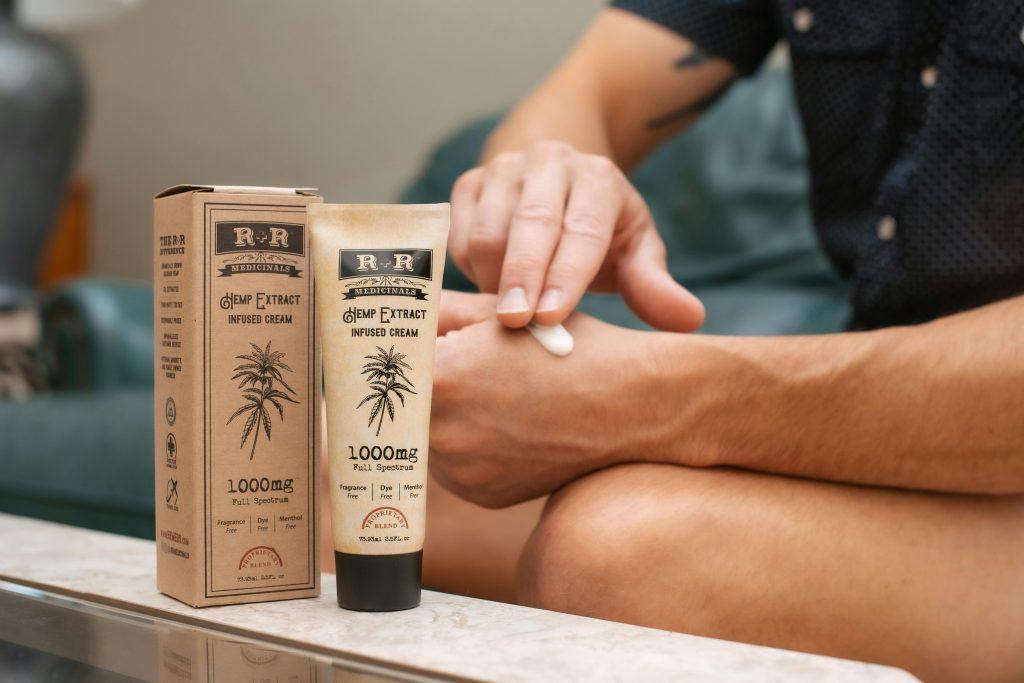
Microdosing means taking a small, sub-perceptual dose of a substance—in this case, cannabis. The idea is to consume just enough THC or CBD to produce benefits without triggering the full psychoactive effects (the “high”).
Typical microdoses of THC range from 0.5 mg to 5 mg, while CBD is often taken in higher amounts due to its non-intoxicating nature.
Microdosing is especially popular among:
- Professionals who want stress relief without impairment
- Patients managing chronic conditions while staying alert
- First-time users cautious about overconsumption
For general information on cannabis and its effects, the Centers for Disease Control and Prevention (CDC) provides facts and statistics.
Why Microdose? The Potential Benefits
People who microdose cannabis often report a wide range of subtle but meaningful benefits. While more research is needed, anecdotal and early scientific evidence suggest:
Reduced Anxiety & Stress
Many users report a calming effect with low doses of THC or THC-CBD blends, especially for social anxiety or generalized stress.
Enhanced Focus & Mental Clarity
Unlike high doses that can impair short-term memory or focus, microdosing may increase concentration and support tasks that require creativity or mental presence.
Mood Stabilization
Low doses of THC may support emotional regulation, helping users feel uplifted without feeling “stoned.”
Pain & Inflammation Relief
Chronic pain sufferers often microdose to stay productive during the day without the sedation or intoxication from larger doses.
Improved Sleep
CBD or small nighttime doses of THC can promote relaxation and help ease into sleep without morning grogginess.
The National Institute on Drug Abuse (NIDA) conducts research on the effects of cannabis, including low doses, though specific studies on “microdosing” as a distinct concept are still emerging in federal research. The Department of Veterans Affairs (VA) also provides information on cannabis use and PTSD, noting ongoing research into cannabis for therapeutic purposes.
Popular Microdosing Methods
Low-Dose Edibles
- Discreet, portable, and precise
- Gummies and chocolates commonly offer 2.5mg or less THC per serving
- Long onset (60–90 minutes), long-lasting effects (up to 6–8 hours)
Tinctures & Oils
- Placed under the tongue (sublingually) for faster onset
- Excellent dose control with droppers
- Allows you to blend THC and CBD precisely
Vaporizers (with dose control)
- Instant effects (within minutes)
- Portable and easy to micro-adjust by inhaling one small puff
- Works best with low-THC vape oil cartridges or dry herb vaporizers
Capsules & Tablets
- Ideal for routine or medical use
- Consistent, measurable doses (1–5mg THC or CBD)
- Convenient for those who prefer no smoke or sugar
When considering cannabis products, it’s important to be aware of federal regulations. The FDA has approved certain cannabis-derived medications but has not approved cannabis for recreational or general medical use, and provides guidance on product quality and safety.
How to Start Microdosing
Step-by-Step Guide:
- Start with 1mg THC (or lower) — especially if you’re THC-sensitive
- Choose a reliable product with clear dosing (lab-tested edibles, tinctures, etc.)
- Track your experience: Use a journal or app to log dose, time, mood, and side effects
- Stay consistent for 3–5 days before increasing your dose
- Adjust gradually in small increments (0.5–1mg at a time) if needed
💡 Many people find their “sweet spot” between 1mg and 3mg THC when paired with some CBD.
Anecdotal Evidence and Personal Experiences
Microdosing isn’t just a theory—thousands of people are using it in their daily lives and sharing their success stories online. Here are a few examples:
“I take 2mg of THC with 5mg of CBD in the morning and feel calmer at work without any brain fog.” – A tech professional from California
“As a chronic pain sufferer, microdosing lets me reduce inflammation without feeling high. I can still work, drive, and take care of my kids.” – A mother in Colorado
“I started microdosing for my anxiety. It’s subtle, but I feel more grounded and less reactive.” – A college student in Oregon
Online communities like Reddit, YouTube, and microdosing forums offer hundreds of similar stories. While these are not scientific studies, they highlight growing interest and real-world impact.
Risks, Misconceptions, and Limitations
Microdosing isn’t perfect or universally effective. Important considerations include:
- Tolerance: Over time, your body may require slightly more to achieve the same effect
- Individual variability: Some people may be very sensitive even to 1mg of THC
- Mislabeling: Poorly labeled products can lead to accidental overconsumption
- Limited research: Most benefits are supported by anecdotal evidence, not large-scale clinical trials
Remember, microdosing doesn’t work for everyone, and trial and error is part of the process. For consumer safety information regarding cannabis, the FDA’s position on cannabis products is important to review.
Scientific Interest and Future Research
Although formal cannabis microdosing studies are limited, interest is growing:
- A 2020 study in Frontiers in Pharmacology noted low-dose THC may offer anti-anxiety effects without cognitive impairment
- Research into CBD-dominant microdosing is also underway for anxiety, PTSD, and inflammation
- Comparisons to psychedelic microdosing (like psilocybin) suggest a similar trend in low-dose wellness practices
- Several cannabis biotech companies are investing in low-dose, precision medicine products for future research and development
The National Institute on Drug Abuse (NIDA) is the primary federal agency for research on drug use and addiction, including cannabis. Their website provides access to various studies and reports on cannabinoids and their effects. The U.S. Pharmacopeia (USP) is also working on quality standards for cannabis and cannabis-derived products to support public health and research.
Frequently Asked Questions
Microdosing Cannabis: Benefits, Methods, and Anecdotal Evidence
What is microdosing cannabis?
Microdosing cannabis refers to the practice of consuming very small, carefully measured doses of THC or CBD—typically between 0.5 mg and 5 mg—to receive therapeutic benefits without experiencing strong psychoactive effects. The goal is not to get high, but to subtly support mental clarity, mood, pain relief, and focus while remaining fully functional and in control.
This approach is popular with people who:
- Are new to cannabis
- Want to avoid impairment
- Use cannabis for daily wellness or medical support
- Prefer a consistent, low-level experience over intense highs
Will I get high from a microdose of THC?
Generally, no—if you’re truly microdosing.
Most users do not feel intoxicated from a microdose of THC. Instead, they report feeling:
- Slightly more relaxed
- Calm but alert
- Mildly uplifted
That said, THC sensitivity varies by person. If you’re new to cannabis or very sensitive, even 1–2 mg may feel strong. That’s why it’s essential to:
- Start low (e.g., 0.5–1 mg THC)
- Wait and observe your body’s response
- Avoid combining with alcohol or other substances on your first attempt
How do I know how much THC or CBD to take when microdosing?
There’s no universal “perfect dose,” but a general guideline is:
- THC: Start with 0.5 to 1 mg
- CBD: Start with 5 to 10 mg, since it’s non-intoxicating
You can use pre-measured edibles, tinctures, or capsules to help control dosing accurately.
To refine your microdosing routine:
- Use a journal or tracking app
- Record how you feel 30 minutes, 1 hour, and 3 hours after dosing
- Adjust the dose slightly (0.5–1 mg at a time) every few days if needed
What’s the best way to microdose cannabis?
There’s no one-size-fits-all method—your choice depends on your lifestyle, desired onset speed, and personal preferences. Here are the most popular options:
Low-dose edibles
- Easy to consume
- Long-lasting effects
- Great for evening relaxation or daytime anxiety control
🕒 Onset: 60–90 minutes | Duration: 6–8 hours
Tinctures & sublingual oils
- Precise dosing with droppers
- Faster onset than edibles
- Ideal for morning or midday microdosing
🕒 Onset: 15–45 minutes | Duration: 3–4 hours
Vape pens or dry herb vaporizers
- Fastest-acting method
- Easy to control with one or two short puffs
- Great for occasional or on-demand relief
🕒 Onset: 5–10 minutes | Duration: 1–2 hours
Capsules or tablets
- Consistent dosing
- Discreet and portable
- Great for regular use, especially for chronic conditions
🕒 Onset: 45–60 minutes | Duration: 4–6 hours
It’s important to note that driving under the influence of cannabis is illegal and dangerous; the National Highway Traffic Safety Administration (NHTSA) provides information on drugged driving.
How long do microdose effects last?
That depends on the method of consumption:
Method | Onset Time | Duration of Effects |
Edibles | 60–90 mins | 6–8 hours |
Tinctures | 15–45 mins | 3–4 hours |
Vaporizers | 5–10 mins | 1–2 hours |
Capsules | 45–60 mins | 4–6 hours |
Tip: Plan your dose timing around your goals—whether it’s stress relief during work, pain control, or sleep support.
Can I microdose both THC and CBD together?
Yes! In fact, many users find that combining THC and CBD creates a more balanced and effective experience.
Benefits of combining:
- CBD can mellow out THC’s psychoactive effects
- THC enhances the therapeutic potential of CBD (entourage effect)
- Great for managing anxiety, inflammation, and mood without a high
💡 Common beginner-friendly ratios:
- 1:1 THC to CBD — Balanced effects
- 1:2 or 1:3 THC to CBD — Mild or non-intoxicating
Experiment slowly to find the best ratio for your body and your goals.
How often should I microdose cannabis?
That depends on your reason for using it:
- Morning: Improve focus, mood, or energy
- Midday: Reduce stress or pain
- Evening: Unwind or support sleep
Some users microdose once daily, while others use it multiple times per day or only as needed.
Pro tip: Take a tolerance break every few weeks to reset your body’s sensitivity and maintain effectiveness.
Are there any risks to microdosing cannabis?
While microdosing is relatively low-risk compared to higher doses, it’s not entirely risk-free:
- Tolerance: Over time, your body may adapt and require higher doses
- THC sensitivity: Some people feel effects even at microdose levels
- Inaccurate dosing: Homemade or untested products can make microdosing unpredictable
- Legal issues: Cannabis laws vary—check local regulations
Always choose lab-tested products, especially if you’re using cannabis for a medical condition or alongside prescription medications. The FDA has a page on unapproved cannabis products and highlights the risks of unproven claims.
Is microdosing cannabis supported by science?
The scientific community is increasingly interested in microdosing, but large-scale research is still in its early stages.
Preliminary evidence and case studies suggest potential benefits for:
- Generalized anxiety disorder
- PTSD and trauma-related symptoms
- Focus and ADHD
- Chronic pain and inflammation
- Mood disorders such as depression
Researchers are currently exploring low-dose THC/CBD regimens in clinical settings. Until more definitive data is available, most evidence remains anecdotal but promising. The National Center for Complementary and Integrative Health (NCCIH) also provides information on cannabis and cannabinoids, often reflecting current research status.
Conclusion
Microdosing cannabis is a promising approach to enjoy the therapeutic benefits of THC and CBD without the intense high or functional disruption. Whether you’re looking to boost focus, relieve anxiety, or manage pain subtly, microdosing offers a flexible and mindful method of cannabis consumption.
As always, start low, go slow, and keep track of your experiences. And if you’re using cannabis for medical purposes, consult a healthcare provider to explore the best options for your needs.