16 July 2025
CBD vs. THC: Differentiating Effects, Uses, and Current Research
As cannabis products become more widely accepted and mainstream, one of the most common—and often confusing—questions people have is: What’s the difference between CBD and THC? These two compounds are often discussed together, appear in many of the same products, and both come from the cannabis plant. Yet, despite their shared origin, they produce very different effects on the mind and body and are treated very differently by laws and regulations depending on where you live.
While CBD (cannabidiol) is typically associated with relaxation, reduced anxiety, and pain relief, THC (tetrahydrocannabinol) is the psychoactive component that gives cannabis its famous “high.” Their contrasting effects have led to distinct medical uses, legal considerations, and consumer preferences. For example, someone seeking relief from chronic inflammation may turn to CBD for its therapeutic benefits without intoxication, while another person managing chemotherapy-related nausea might benefit more from THC-based products.
Understanding the differences between CBD and THC isn’t just useful for medical patients or recreational users—it’s essential for anyone considering incorporating cannabis products into their lifestyle. Whether you’re seeking wellness support, recreational enjoyment, or relief from specific health conditions, having a clear grasp of what each cannabinoid offers will help you make smarter, safer, and more effective choices.
In this guide, we’ll explore everything you need to know: the fundamental differences between CBD and THC, their most common medical and wellness applications, an overview of the current research, and answers to frequently asked questions to clear up lingering confusion. By the end, you’ll be empowered to navigate the growing world of cannabis products with confidence and clarity.
1. What Are CBD and THC?
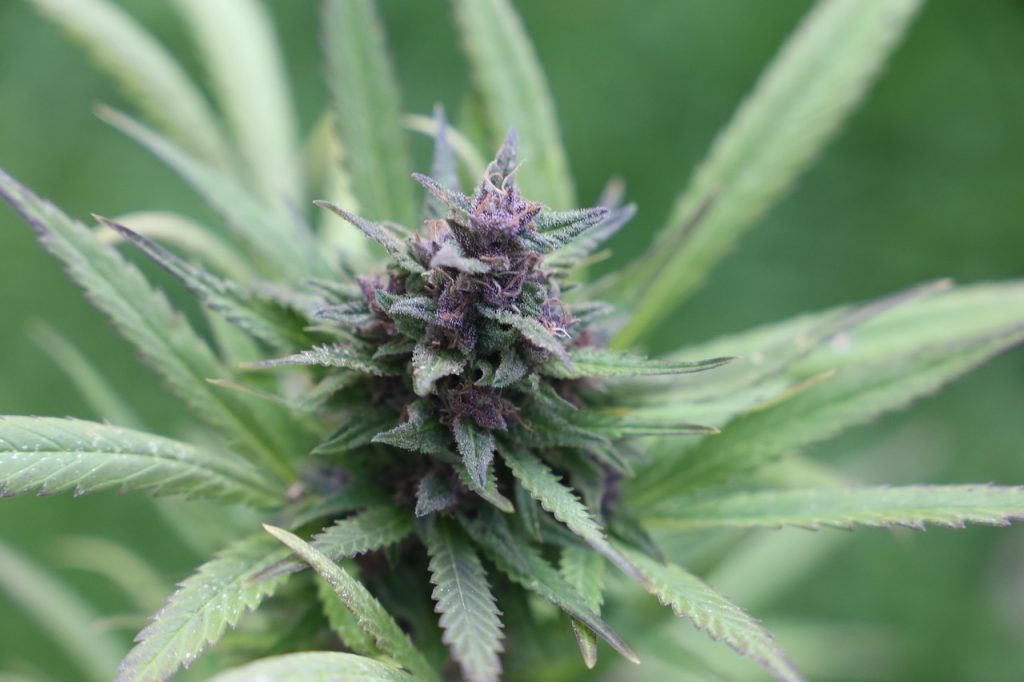
CBD (cannabidiol) and THC (tetrahydrocannabinol) are the two most abundant and well-known cannabinoids found in the cannabis plant. Although they share the same molecular formula (C₂₁H₃₀O₂), meaning they have the exact same types and numbers of atoms, their atomic arrangement differs slightly. This small structural difference is what leads to the vastly different effects they have on both the brain and body.
While CBD is non-psychoactive—meaning it doesn’t produce a “high”—it interacts with the body in ways that can promote relaxation, pain relief, and anti-inflammatory benefits. On the other hand, THC is psychoactive and is the primary compound responsible for the euphoria or “high” that people commonly associate with cannabis use. These two cannabinoids may come from the same plant family, but they serve distinct purposes, interact differently with the body’s endocannabinoid system (ECS), and provide a wide range of therapeutic and recreational benefits depending on individual needs.
CBD (Cannabidiol):
- Non-intoxicating → Doesn’t cause a “high”
- Often used for calming, anti-anxiety, and anti-inflammatory effects
- Derived mostly from hemp plants → Defined by U.S. law as cannabis with 0.3% THC or less
CBD is available in a wide range of products → from CBD oils and capsules to gummies, skincare, and beverages.
THC (Tetrahydrocannabinol):
- Psychoactive → Causes the euphoric or “high” feeling
- Primarily found in marijuana strains of cannabis (not hemp)
- Commonly used for:
- Chronic pain relief
- Stimulating appetite (“the munchies”)
- Reducing nausea and vomiting
2. Key Differences Between CBD and THC
Feature | CBD | THC |
Psychoactive? | No → Won’t make you feel “high” | Yes → Produces euphoria |
Legal Status | ||
Medical Uses | Anxiety, epilepsy, inflammation | Pain relief, nausea, appetite boost |
Side Effects | Mild (dry mouth, fatigue) | May cause anxiety, paranoia, rapid heart rate |
Summary → CBD and THC have very different effects on mood, cognition, and body function. CBD = calm, focus, and relaxation. THC = euphoria, altered perception, and appetite stimulation.
3. Medical Uses of CBD vs. THC
Both CBD and THC have demonstrated unique medical applications. In some treatments, they’re used separately. In others, they work best together (see “Entourage Effect” below).
CBD Medical Uses:
- Anxiety and Stress Relief → Calms racing thoughts and promotes balance
- Chronic Pain and Inflammation → Especially beneficial for joint pain or autoimmune conditions
- Seizure Disorders → FDA-approved Epidiolex used in epilepsy treatment
- Topical Use for Skin Conditions → Psoriasis, eczema, acne
THC Medical Uses:
- Chronic Pain Relief → Effective for nerve pain and conditions like fibromyalgia
- Nausea and Vomiting → Commonly used by chemotherapy patients
- Appetite Stimulation → Helps prevent weight loss in chronic illness
- Muscle Spasticity → THC-based medications help with muscle spasms in multiple sclerosis (MS)
4. How They Work in the Body
CBD and THC interact with your body’s endocannabinoid system (ECS) → a biological system that plays a major role in regulating mood, sleep, pain, immune function, and more.
CBD (Cannabidiol):
- Works by modulating ECS receptors (especially CB2)
- Influences serotonin receptors → explaining its calming effects
- Supports anti-inflammatory processes → beneficial for chronic inflammation and anxiety
THC (Tetrahydrocannabinol):
- Binds directly to CB1 receptors in the brain →
→ Causes euphoria, altered perception, relaxation, or stimulation depending on dose and individual body chemistry
- Binds directly to CB1 receptors in the brain →
Result → THC affects cognition, mood, and motor control, while CBD supports balance without impairment.
5. Current Research on CBD and THC
Research into cannabinoids is growing rapidly, with thousands of studies now exploring how CBD and THC affect human health.
CBD Research Highlights:
- Anxiety and PTSD: Early human studies show significant reductions in anxiety symptoms.
- Seizures: CBD-based medications are FDA-approved for epilepsy.
- Inflammation: Potential applications in arthritis, Crohn’s disease, and other inflammatory disorders.
THC Research Highlights:
- Pain Management: Especially for neuropathic pain that’s resistant to traditional painkillers.
- Mental Health (low doses): Some PTSD patients find relief from nightmares and hyperarousal symptoms.
- Multiple Sclerosis: THC sprays like Sativex improve muscle stiffness and spasticity.
Future Focus → The Entourage Effect
Emerging research suggests that CBD and THC work best together, along with other cannabinoids and terpenes, to maximize therapeutic potential → called the Entourage Effect.
6. Frequently Asked Questions
Can you use CBD and THC together?
Yes → Many medical users and recreational consumers use CBD and THC together to take advantage of what’s called the “entourage effect”—a theory suggesting that cannabinoids work better in combination than in isolation.
- Why combine them? → CBD may enhance the therapeutic benefits of THC while also reducing side effects like anxiety or paranoia.
- Best for: Chronic pain, inflammation, certain neurological conditions, and when you want the benefits of THC but with a smoother, more balanced experience.
Does CBD counteract the high from THC?
Yes → CBD has been shown to modulate the binding of THC to CB1 receptors in the brain, which may reduce the intensity of THC’s psychoactive effects.
- Practical tip: If you’ve consumed too much THC and feel anxious or too high, taking additional CBD (like CBD oil under the tongue) may help take the edge off the experience.
- However → While CBD helps, it doesn’t instantly “sober you up”—effects will still take time to wear off fully.
Which is better for anxiety—CBD or THC?
CBD is generally the better choice for managing anxiety.
Why? → CBD works on serotonin receptors (5-HT1A) → promoting relaxation without intoxication.
THC in high doses can trigger or worsen anxiety in sensitive individuals.
However → Low doses of THC have shown potential benefits for anxiety and PTSD in certain users when carefully monitored.
- For most people → Start with CBD alone for anxiety and experiment with CBD:THC ratios (like 20:1 or 10:1) under guidance if needed.
Are CBD products legal in all states?
Mostly yes → Hemp-derived CBD (containing 0.3% THC or less) is federally legal in the United States under the 2018 Farm Bill.
- BUT → Some states still restrict CBD sales or add specific rules (e.g., regarding food products or smokable hemp). The FDA also provides guidance on CBD products.
- Pro tip: Always buy from trusted brands with third-party lab reports to verify THC content and product purity.
Is THC still illegal everywhere?
THC is federally illegal in the U.S., but the situation is changing quickly:
- As of 2025 → More than 23 states have legalized THC for recreational use, and many more allow medical use.
- Examples of fully legal recreational markets → California, Colorado, New York, Michigan, Illinois, Massachusetts
- Important: Even if THC is legal at the state level → It’s still illegal to transport cannabis across state lines due to federal law.
Bottom line → Always check your state’s cannabis laws before purchasing or traveling with THC products.
7. Conclusion
CBD and THC may come from the same plant, but they serve very different purposes.
- CBD → Calm, clear, non-intoxicating → Best for anxiety, inflammation, epilepsy, and skin care.
- THC → Psychoactive, euphoric → Best for pain, nausea, appetite stimulation, and muscle relaxation.
Final Advice:
- Always buy third-party lab-tested products.
- Consult your doctor → especially if using cannabis products to manage medical conditions.
- Remember → What works for one person may be different for another.
By understanding the differences between CBD and THC, you’ll be better equipped to choose cannabis products that fit your specific needs—whether that’s therapeutic relief or responsible recreation.