
19 July 2025
Cultivation Techniques for Commercial Cannabis: Indoor vs. Outdoor, Hydroponics, and Organic Practices
As the global cannabis industry continues to expand, cultivators face increasingly complex decisions about how to grow their crops. From boutique medical-grade flower to mass-market extracts, the method of cultivation directly affects yield, potency, terpene profile, cost-efficiency, and environmental impact.
Whether you’re a start-up farm or a large-scale producer, choosing the right cultivation technique—indoor, outdoor, hydroponic, or organic—can determine your product quality and profitability. This article breaks down each method’s strengths, drawbacks, and real-world applications to help commercial growers make informed choices.
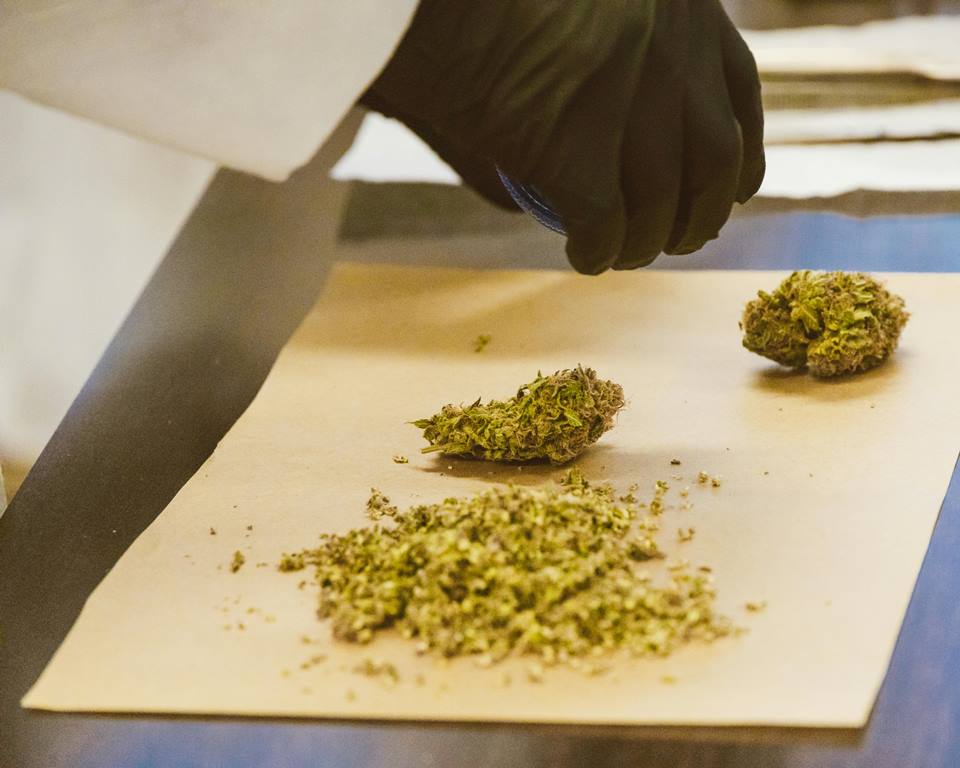
Indoor Cannabis Cultivation
Indoor growing takes place in highly controlled environments such as warehouses, grow rooms, or vertical farming structures. Every variable—light, temperature, humidity, CO₂ levels, and airflow—is precisely managed.
Pros:
- Year-round production regardless of weather or location
- Optimal control over pests, mold, and nutrient uptake
- High consistency in cannabinoid and terpene output
- Enables multiple harvests per year
Cons:
- High setup and operational costs (especially for lighting and HVAC systems)
- High energy consumption, raising sustainability concerns
- Risk of system failure impacting entire crops
Common Indoor Systems:
- Traditional soil-based grows
- Hydroponics or aeroponics
- Vertical farms that stack plants for maximum yield per square foot
Outdoor Cannabis Cultivation
Outdoor cultivation relies on natural sunlight, wind, and rainfall, making it the most traditional and cost-effective method.
Pros:
- Low operating costs (no artificial lighting or climate control)
- Sustainable and eco-friendly
- Sun-grown plants often have richer terpene profiles
Cons:
- Dependent on climate and seasons
- Only one harvest per year in most regions
- Vulnerable to pests, mold, and weather damage
- Less control over cannabinoid content and uniformity
Outdoor grows are ideal for high-volume, lower-cost production, such as biomass for extraction.
Greenhouse Cultivation (Hybrid Approach)
Greenhouses combine the efficiency of natural sunlight with controlled environmental elements like shading, humidity, and supplemental lighting.
Benefits:
- Reduced energy costs compared to full indoor grows
- Greater control than outdoor environments
- Supports year-round cultivation with proper design
This hybrid model offers a balanced approach to cost, yield, and environmental impact.
Hydroponic Cannabis Cultivation
Hydroponics eliminates soil, using nutrient-rich water solutions to feed plant roots directly.
Popular Types:
- Deep Water Culture (DWC)
- Nutrient Film Technique (NFT)
- Ebb and Flow systems
Pros:
Cons:
- Expensive to set up and maintain
- Technical expertise required
- System failure (e.g., pump malfunction) can quickly kill plants
Hydroponics is favored by indoor cultivators who need high turnover and tight quality control.
Organic Cannabis Cultivation
Organic cultivation uses living soil, composts, and natural pest management rather than synthetic fertilizers or pesticides. It aligns with regenerative agriculture and appeals to health-conscious and environmentally focused consumers.
Pros:
- Clean, chemical-free cannabis with enhanced flavor and terpene content
- Ideal for premium or craft cannabis branding
- Gaining popularity in dispensaries for health and environmental reasons
Cons:
- Lower yields compared to synthetic nutrient systems
- Requires more hands-on labor and experience
- Must comply with strict regulations for organic certification
Organic practices can be used in both indoor and outdoor settings but may require different soil amendments and growing schedules.
Choosing the Right Method for Your Business
Selecting the right cultivation technique is one of the most critical strategic decisions for any cannabis business. Your grow method doesn’t just affect plant health—it shapes your brand identity, operational costs, regulatory compliance, and long-term profitability.
Let’s break down the core factors that should guide your decision:
🔧 1. Budget & Operational Costs
Your available capital is often the first deciding factor.
- Indoor grows require high upfront investment in lights, HVAC, dehumidifiers, CO₂ injection systems, and building retrofitting. Operating costs (especially electricity) can also be substantial.
- Outdoor cultivation is the cheapest method but may yield less consistent product quality. It’s ideal for low-margin, high-volume operations.
- Greenhouses strike a balance—lower costs than indoor, with more environmental control than outdoor.
- Hydroponic setups can increase yields but add complexity and cost due to water pumps, filtration, and system maintenance.
💡 Tip: Build a multi-year financial model to project ROI before committing.
2. Geographic Location & Climate
Where you operate directly impacts your growing method:
- Regions with long growing seasons, warm temperatures, and low humidity are ideal for outdoor or greenhouse cultivation.
- Areas with cold winters, excessive rainfall, or urban zoning restrictions may require indoor growing.
- In hot or arid regions, greenhouses with evaporative cooling can be a cost-effective solution.
📍 Example: A grower in California’s Central Valley may succeed outdoors, while someone in New York City may need to go indoor or vertical.
3. Licensing Restrictions & Energy Regulations
Local and state cannabis laws often dictate what’s allowed.
- Some jurisdictions prohibit outdoor cultivation for commercial use due to visibility or odor concerns.
- Others set energy-use caps that make high-wattage indoor grows challenging.
- Organic certifications may limit the use of hydroponics or synthetic nutrients.
- Certain licenses may only allow processing or extraction, not full cultivation.
Action Step: Carefully review your state or country’s regulatory framework before committing to a grow style.
4. Product Goals: Flower vs. Extracts vs. Pre-rolls
Your target product line should drive your grow method:
- If your focus is premium flower or connoisseur-grade bud, indoor or light-deprivation greenhouses offer better control and appearance.
- For extraction-based products like oils, tinctures, and vapes, you may prioritize high biomass yield over bag appeal—making outdoor more viable.
- If producing pre-rolls or infused joints, you’ll want a balance of visual quality, aroma, and volume—greenhouses are a good compromise.
Note: High THC extraction can come from lower-grade flower if it’s cannabinoid-rich.
5. Consumer Demand (Organic, Craft, Sun-Grown)
Trends in consumer preference should inform your positioning:
- Health-conscious and eco-friendly buyers gravitate toward organic and sun-grown products.
- Cannabis connoisseurs are often willing to pay more for indoor-grown flower with high THC and bag appeal.
- Budget-conscious users or medical patients may seek value-priced outdoor or greenhouse products.
Differentiation: Using your cultivation method as a brand narrative (e.g., “regenerative sun-grown cannabis”) can attract niche audiences.
6. Scalability & Expansion Potential
Consider how easily your method can grow with your business:
- Outdoor farms scale well in terms of acreage and seasonal volume but may be limited by land use and harvest timing.
- Indoor grows can be expanded in modules (e.g., additional grow rooms or vertical stacks), but scalability comes with higher cost per square foot.
- Greenhouses can be expanded relatively easily and may qualify for agricultural tax benefits or grants in some regions.
Scalability test: If you doubled your demand tomorrow, could your grow method meet it?
Hybrid Models: The Best of Both Worlds
Many successful commercial cannabis operations use hybrid cultivation strategies to diversify production and optimize efficiency:
- Indoor grows for top-shelf, boutique flower (sold at higher margins)
- Greenhouse or outdoor cultivation for bulk production used in edibles, extracts, or infused products
- Multiple facilities across different environments to minimize seasonal risks and distribute labor
Business case: A hybrid model allows for product segmentation, cost control, and resilience in fluctuating market conditions.
Frequently Asked Questions
Is indoor cannabis stronger than outdoor?
In most cases, yes. Indoor cannabis often has higher THC percentages than outdoor-grown flower. This is because indoor environments allow growers to control every aspect of the plant’s development—light cycles, temperature, humidity, nutrient schedules, and even CO₂ levels. With that much precision, cultivators can push the plant’s genetics to consistently produce high-potency flower.
However, potency isn’t everything. Outdoor-grown cannabis benefits from exposure to full-spectrum sunlight, which may enhance the entourage effect and lead to a richer terpene profile. Some connoisseurs prefer the more “natural” taste and aroma of outdoor flower, even if the THC content is slightly lower.
Takeaway: If you prioritize maximum THC, indoor is your best bet. If you value flavor, aroma, and sustainability, outdoor may be more appealing.
What’s the cheapest method to grow cannabis commercially?
Outdoor cultivation is by far the most cost-effective approach for large-scale commercial cannabis production. You don’t need artificial lighting, advanced climate systems, or complex infrastructure. The sun and soil do much of the work, making it ideal for biomass production, raw material for extraction, or affordable retail flower.
That said, outdoor farming has seasonal limitations, often allowing for just one harvest per year in most climates. It’s also vulnerable to pests, mold, and extreme weather, which can destroy entire crops if not managed properly.
A middle-ground option is greenhouse cultivation, which offers some environmental control without the costs of full indoor setups. Greenhouses extend the growing season and allow partial climate regulation while still using natural sunlight.
Pro tip: Outdoor is cheapest upfront. But greenhouse or indoor grows may be more profitable long-term if you’re targeting premium retail markets.
Does hydroponic weed taste different?
Yes, it can. Hydroponically grown cannabis often produces clean, potent, and visually appealing buds, but some users report that it can lack the depth of flavor found in soil- or organically-grown plants. This difference is largely due to the absence of microbial life and organic interactions in hydro systems.
Soil contains a rich network of microorganisms, fungi, and beneficial bacteria that contribute to more complex terpene development and nuanced flavor profiles. Hydroponic setups, while efficient, may require careful supplementation and fine-tuning to match the terpene complexity of organic soil.
In short: Hydro = clean and consistent. Soil = rich and flavorful. Your customer base will likely have preferences based on their consumption goals.
Can you grow certified organic cannabis indoors?
Yes, but it’s not easy. To achieve true certified organic status, your entire cultivation process must meet strict standards, including:
- Use of organic-approved inputs (no synthetic fertilizers or pesticides)
- Living soil practices
- Proper pest management using natural methods
- Traceability of inputs and processes
- Ongoing inspections and compliance
You can use organic practices indoors, but most organic certifications prohibit hydroponic systems, since they don’t involve soil and natural ecological interactions. Therefore, indoor organic cannabis must be soil-based and follow regenerative or sustainable growing principles.
Pro tip: Even if you’re not certified, labeling your cannabis as “organically grown” (with transparency) can appeal to health-conscious buyers—just make sure you don’t mislead consumers.
What method produces the highest yield per square foot?
For maximum yield in a limited space, indoor hydroponic systems—especially vertical farms—are unmatched. These systems can:
- Stack plants in multiple layers (increasing grow density)
- Use artificial lighting 24/7
- Optimize water and nutrient delivery
- Enable 6+ harvests per year, depending on strain and setup
While initial setup costs are high, vertical hydroponic farms offer incredible ROI when done correctly. They’re ideal for urban grows, where real estate is limited and expensive.
However, they require extensive knowledge, skilled labor, and constant monitoring. Mistakes like a failed pump or power outage can ruin thousands of plants in hours.
Bottom line: Hydroponic vertical farms are the best for high yields per square foot, but they come with high complexity and overhead.

Conclusion
There’s no “best” way to grow cannabis—just the best method for your goals, budget, and environment. Whether you’re aiming for high-volume biomass, craft-grade flower, or sustainable organic branding, each cultivation technique offers unique advantages.
As the market matures, hybrid approaches and innovations like aquaponics, LED optimization, and automation are reshaping how cannabis is grown commercially. The key is to align your cultivation method with your long-term business strategy, legal constraints, and consumer demands.