23 July 2025
Cannabis and Seniors: Benefits, Risks, and Responsible Use for the Elderly
As cannabis continues to shed its decades-long stigma, a surprising demographic is embracing its potential benefits: seniors. Once considered taboo, cannabis is now being viewed by many older adults as a natural remedy for a wide range of age-related health concerns. From chronic pain and inflammation to insomnia, anxiety, and loss of appetite, seniors are increasingly exploring cannabis as a complementary option to traditional medications.
This shift in attitude is fueled by several factors. The legalization and regulation of cannabis in many regions have made it more accessible and safer to use. Additionally, today’s seniors are more informed, health-conscious, and open to alternative therapies than previous generations. With increasing awareness about the therapeutic properties of cannabinoids like CBD and THC, older adults are seeking out ways to improve their quality of life—especially when prescription drugs come with harsh side effects or limited results.
But while cannabis offers promise, it’s not without potential risks and complications, especially for aging bodies with complex medical histories. Drug interactions, cognitive effects, and proper dosage are all concerns that must be taken seriously. For seniors, the key to benefiting from cannabis lies in education, moderation, and medical guidance.
In this article, we’ll take a closer look at:
- The potential benefits of cannabis for older adults
- Important risks and side effects to consider
- How to use cannabis safely and responsibly
- Answers to frequently asked questions from seniors curious about integrating cannabis into their wellness routines
Whether you’re a senior exploring cannabis for the first time, a caregiver researching options, or a family member supporting a loved one’s health journey—this guide is designed to provide balanced, practical, and age-appropriate insights.

Why Seniors Are Turning to Cannabis
The senior population is the fastest-growing group of cannabis users. Why? You can find data and insights on this trend from organizations like AARP and in reports published on platforms like News-Medical.net.
- Chronic health conditions like arthritis, neuropathy, and insomnia
- Side effects of prescription medications
- A growing openness toward alternative therapies
- Legalization and easier access to cannabis products
Many older adults are finding cannabis to be a natural supplement that improves their quality of life when used appropriately.
Potential Benefits of Cannabis for Seniors
Here are some of the most commonly reported benefits of cannabis among older users:
✅ Chronic Pain Relief
Cannabis has anti-inflammatory properties that can reduce pain from arthritis, back problems, and nerve damage—conditions common in seniors. The National Institute on Drug Abuse (NIDA) provides general information on cannabis research.
✅ Improved Sleep
Cannabinoids like THC and CBD may help promote better sleep by calming the nervous system and reducing nighttime discomfort.
✅ Anxiety and Depression Management
Some seniors find cannabis helps reduce anxiety, especially when it’s caused by social isolation or age-related changes.
✅ Appetite Stimulation
For seniors with reduced appetite due to medication or illness, cannabis may help encourage healthy eating habits.
✅ Neuroprotective Properties
While research is still developing, cannabis shows potential in supporting brain health—especially for diseases like Parkinson’s and Alzheimer’s.
Risks and Side Effects
While cannabis may offer benefits, seniors should also be aware of its risks.
⚠️ Drug Interactions
Cannabis can interact with medications like blood thinners, antidepressants, or sedatives. Always consult your doctor before use.
⚠️ Dizziness and Fall Risk
Cannabis may cause light-headedness or impair balance—leading to falls, which are especially dangerous for older adults.
⚠️ Cognitive Effects
THC can affect short-term memory and concentration, especially in high doses. For more information on cannabis and its effects, refer to the CDC’s Cannabis and Public Health page.
⚠️ Heart Health Concerns
Cannabis may raise heart rate and blood pressure, which could be risky for people with heart conditions.
How Seniors Can Use Cannabis Responsibly
🧠 Talk to a Doctor First
Always consult your healthcare provider before trying cannabis—especially if you take prescription medications.
📉 Start Low and Go Slow
Begin with low doses of CBD or THC and gradually increase as needed. Edibles and tinctures are good for controlled dosing.
🍬 Choose the Right Form
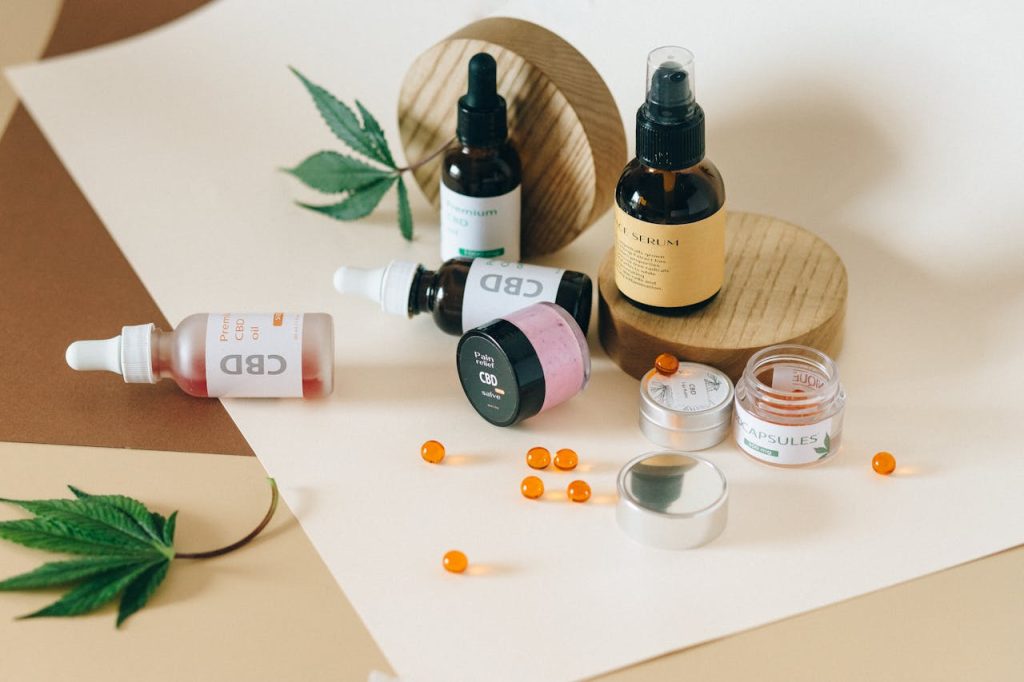
- CBD oils or tinctures for anxiety or inflammation
- Topicals for joint or muscle pain
- Edibles for long-lasting effects
- Vaping or smoking (less recommended due to lung risks)
📒 Keep a Cannabis Journal
Track your dosage, product type, and how you feel after use. This helps monitor effectiveness and identify any side effects.
Legal and Accessibility Considerations
✔️ Know Your Local Laws
Cannabis legality varies by state or country. The American Cancer Society provides an overview of state medical cannabis laws in the U.S. For specific state regulations, you would typically check the official state cannabis regulatory body’s website (e.g., New York’s Office of Cannabis Management or California’s Department of Cannabis Control).
✔️ Medical vs. Recreational Use
Some regions offer medical marijuana cards that allow seniors access to specific cannabis products with professional oversight. The CDC provides a summary of U.S. state medical cannabis laws. Buy from Licensed Dispensaries
✔️ Buy from Licensed Dispensaries
This ensures quality control, dosage accuracy, and product safety. Avoid black market products that could contain contaminants. To find licensed dispensaries, you should refer to the official state or local government cannabis websites. For example, New York has a Dispensary Location Verification tool, and California’s Department of Cannabis Control offers a search tool for licensed businesses. Federal Law: It’s important to note that cannabis remains illegal at the federal level under the Controlled Substances Act, classified as a Schedule I drug by the DEA. The FDA has not approved the use of whole-plant cannabis for medical treatment.
Frequently Asked Questions About Cannabis Use for Seniors
❓ Can cannabis help with arthritis pain?
Yes, many seniors find relief from arthritis-related pain by using cannabis, especially CBD-rich topicals and tinctures.
- Topicals (like creams and balms) are applied directly to painful joints and can reduce inflammation without entering the bloodstream, meaning there are fewer systemic effects.
- CBD (cannabidiol) has anti-inflammatory properties and is widely praised for its ability to ease pain without causing a “high.”
- Some seniors also find relief with low-dose THC, though it should be used cautiously and under guidance due to its psychoactive effects.
💡 Note: While many report positive results, more long-term clinical studies are still needed to confirm cannabis’s full effectiveness for arthritis.
❓ Is CBD better than THC for seniors?
Generally, yes—CBD is considered safer for seniors, especially those new to cannabis or those concerned about psychoactive effects.
- CBD is non-intoxicating, meaning it won’t cause a “high” and is less likely to interfere with memory, balance, or cognitive function.
- THC (tetrahydrocannabinol) can be effective for pain and sleep, but it can also cause drowsiness, confusion, or anxiety in older adults if not used carefully.
- For many seniors, a balanced product with both CBD and low-dose THC can provide therapeutic benefits without strong side effects.
💊 Tip: Always start with CBD-dominant products, and increase slowly only if needed and advised by a doctor.
❓ What’s the safest way to try cannabis for the first time?
For seniors trying cannabis for the first time, safety is key. Here’s how to begin responsibly:
- Consult your doctor, especially if you’re taking other medications.
- Start with CBD oil (under 10mg per dose) or topicals, which are less likely to cause side effects.
- Avoid smoking cannabis, as it may irritate the lungs or contribute to respiratory issues.
- Try edibles or tinctures in very small doses—edibles can be potent and take longer to kick in (1–2 hours).
- Keep a usage journal to track how you feel, what product you used, and if any side effects occur.
🌿 Start low and go slow is the golden rule—this minimizes risks and improves long-term outcomes.
❓ Can I use cannabis instead of my medications?
No—never stop or replace prescription medications with cannabis without your doctor’s explicit guidance.
- Cannabis can support certain conditions (like pain, insomnia, anxiety), but it’s not a one-size-fits-all replacement.
- There are possible drug interactions, especially with medications for heart disease, blood pressure, or depression.
- If cannabis works well, your healthcare provider might adjust your prescriptions over time—but only with professional supervision.
⚠️ Important: Discontinuing medication on your own can be dangerous or even life-threatening.
❓ Will cannabis make me feel “high”?
Only THC causes a psychoactive “high” feeling—CBD will not.
- Products made from hemp-derived CBD (with less than 0.3% THC) are widely available and won’t impair thinking or coordination. The 2018 Farm Bill legalized hemp and hemp-derived products.
- If you take a high-THC product, you may feel euphoria, drowsiness, dizziness, or anxiety, especially if you’re not used to it.
- Seniors should begin with CBD-only or CBD-dominant products and add THC only if needed and tolerated well.
🧘♂️ If you’re looking for pain relief or better sleep without the high, CBD is usually the better option.
Conclusion
Cannabis holds significant promise as a natural tool to support the health and wellness of older adults. From easing chronic pain and reducing inflammation to helping with anxiety, sleep issues, and appetite loss, more and more seniors are discovering how cannabis can enhance their quality of life. As research continues to evolve, it’s becoming clear that cannabis isn’t just for the younger crowd—it can offer real benefits for aging bodies and minds when used thoughtfully.
However, this plant-based remedy is not without its risks. Seniors may face unique challenges when it comes to dosage, side effects, and interactions with existing medications. That’s why responsible use is absolutely essential. Relying on professional medical advice, starting with low doses, and choosing the right consumption method can make all the difference between a helpful experience and a harmful one.
Just as importantly, it’s vital to stay informed about the legal status of cannabis in your region and purchase only from reputable, licensed dispensaries to ensure product safety and quality.
If you or a loved one are considering incorporating cannabis into your wellness routine:
- ✅ Start slow and low to observe how your body reacts
- ✅ Choose the right format, such as CBD oils or topicals, for easier control
- ✅ Talk to your healthcare provider to avoid complications
- ✅ Monitor your experience, and adjust as needed
Used with care and intention, cannabis can become a valuable part of a holistic health approach for seniors—not a cure-all, but a helpful supplement when guided by science and safety.