
15 July 2025
What Are the Different Ways to Consume Cannabis, and How Do They Differ?
As cannabis continues to grow in mainstream popularity, so do the various ways to consume it. Gone are the days when smoking a joint or packing a bowl were the only choices. Today’s cannabis landscape offers a wide range of consumption methods—from sleek vaporizers and flavorful edibles to precise tinctures and soothing topicals.
Each of these methods provides a unique experience. They differ not only in how you consume them, but also in how quickly the effects begin, how long they last, and how intensely they’re felt. For example, someone might choose smoking or vaping for immediate relief from anxiety or nausea, while another might prefer the extended, body-centered effects of edibles for managing chronic pain or getting better sleep.
With cannabis now used for both recreational enjoyment and therapeutic purposes, understanding the differences between consumption methods has never been more important. Whether you’re seeking fast relief, discretion, or long-lasting effects, knowing how each method works empowers you to make informed choices that fit your personal goals, health needs, and lifestyle.
In this guide, we’ll explore the most common ways to consume cannabis, break down the pros and cons of each, and help you decide which one might work best for you.
1. Smoking
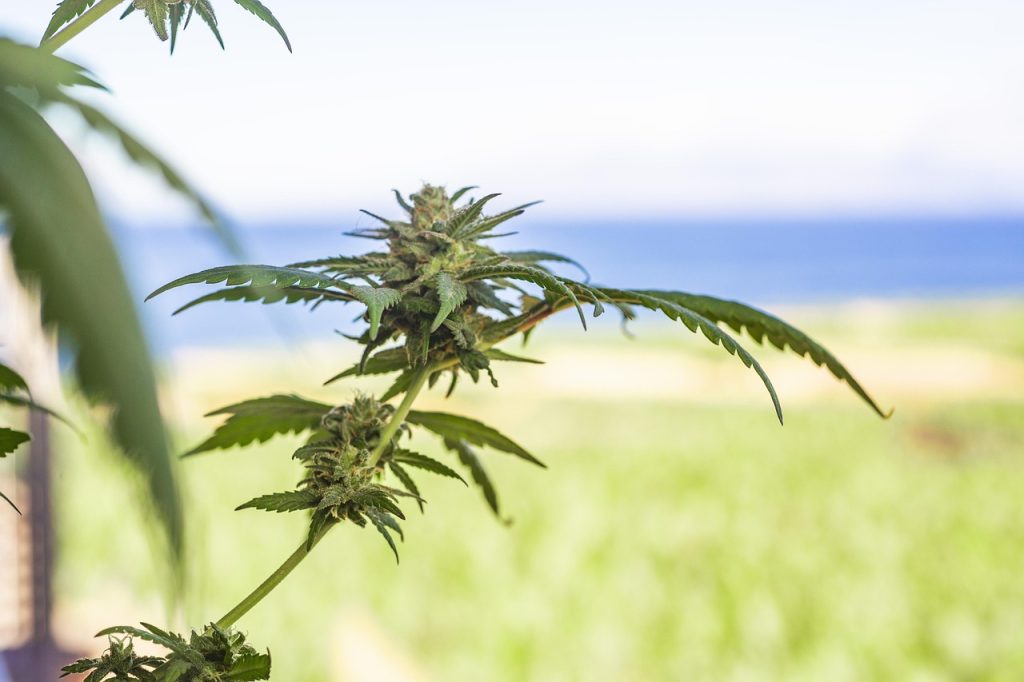
Smoking cannabis is the most traditional and familiar method of consumption. It involves burning the cannabis flower and inhaling the smoke.
Common forms:
- Joints (rolled in paper)
- Pipes
- Bongs or water pipes
Effects:
- Onset → Usually felt within 1–5 minutes
- Duration → Effects typically last 1–3 hours
Pros:
- Fast-acting → Ideal for quick relief of symptoms like pain or anxiety
- Easy to control → You can stop after one puff if needed
Cons:
- Can be harsh on the lungs
- Combustion releases harmful byproducts like tar and carcinogens
- Strong odor → Not discreet
Health Note: While smoking cannabis is common, inhaling any combusted plant matter can irritate the respiratory system over time.
2. Vaping
Vaping involves heating cannabis to a temperature that releases cannabinoids and terpenes as a vapor, without burning the plant material.
Common devices:
- Vape pens (concentrates or oils)
- Dry herb vaporizers (whole flower)
Effects:
- Onset → Usually felt within 2–10 minutes
- Duration → Effects last around 1–3 hours
Pros:
- Smoother than smoking → Less irritation to lungs
- More discreet → Minimal odor
- Cleaner taste → Preserves terpenes better than combustion
Cons:
- Requires equipment
- Some pre-filled vape cartridges may contain additives or residual solvents → Always buy from reputable, lab-tested sources
3. Edibles
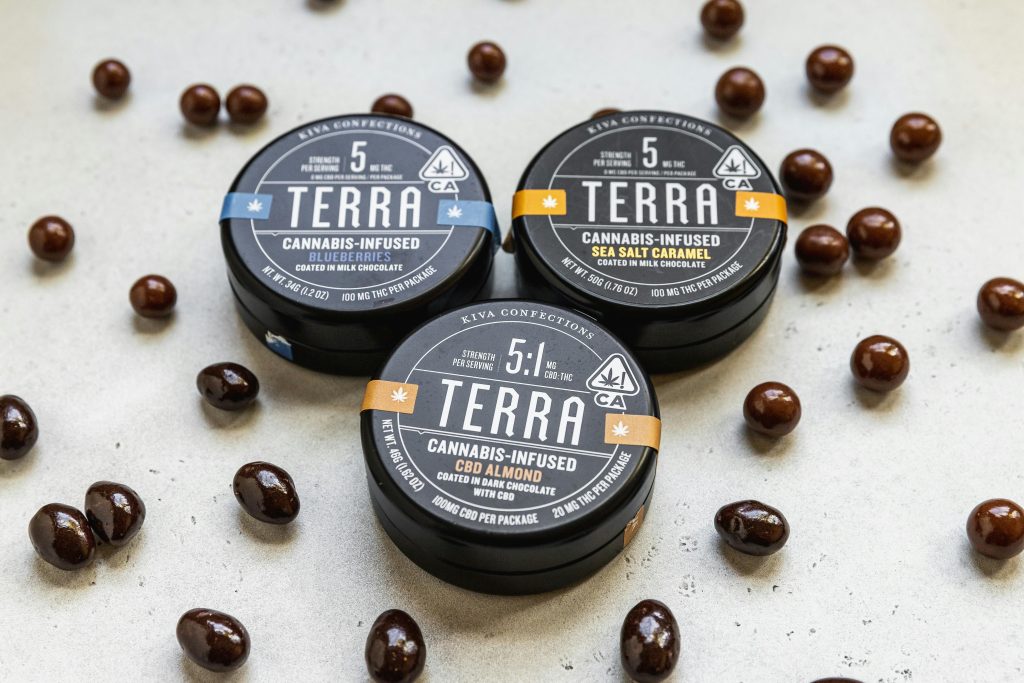
Edibles are cannabis-infused foods and drinks, ranging from gummies and chocolates to teas and baked goods.
Effects:
- Onset → Slow, usually 30–90 minutes depending on digestion
- Duration → Can last 4–8 hours or longer
Why they feel stronger:
When consumed, THC is processed by the liver into 11-hydroxy-THC, a stronger psychoactive compound that creates a more intense and long-lasting experience.
Pros:
- Long-lasting effects → Great for managing chronic conditions like pain or insomnia
- No inhalation required → Easier on lungs
- Discreet → Looks like any normal food or candy
Cons:
- Easy to overconsume → Always start with low doses (e.g., 2.5–5 mg THC)
- Effects can linger into the next day with higher doses
4. Tinctures and Sublinguals
Tinctures are liquid cannabis extracts (usually in alcohol or oil bases) taken under the tongue for faster absorption.
Effects:
- Onset → 15–45 minutes
- Duration → Typically 4–6 hours
Pros:
- Smoke-free
- Precise dosing → Often labeled in milligrams per dropper
- Adjustable effects → Can be swallowed for slower onset like edibles
Cons:
- Some tinctures have a bitter or herbal taste
- Not as fast as smoking or vaping for immediate relief
5. Topicals
Topicals are cannabis-infused creams, balms, and lotions applied directly to the skin.
Effects:
- Onset → Within minutes for localized relief
- Duration → Several hours
- No psychoactive effects → Unless using transdermal patches with THC
Pros:
- Great for targeted relief → Arthritis, sore muscles, skin irritation
- No “high” → Safe for daytime use or professional settings
- Available in CBD-only or THC + CBD blends
Cons:
- Only works on the area applied
- Not effective for mood disorders or systemic conditions like anxiety
6. Capsules and Pills
Capsules and pills contain measured doses of cannabinoids in a familiar supplement form.
Effects:
- Onset → Similar to edibles, usually 30–90 minutes
- Duration → 4–8 hours
Pros:
- Precise dosing
- No taste or odor
- Discreet → Looks like any regular supplement or medication
Cons:
- Delayed onset → Not ideal for immediate relief
- Must be processed by the digestive system → Effect strength may vary by individual
Choosing the Right Method
The best consumption method depends on your personal goals, lifestyle, and experience level.
Need | Best Method |
Quick relief | Smoking or vaping |
Long-lasting relief | Edibles or capsules |
Targeted relief | Topicals |
Precise control | Tinctures, capsules |
Discretion | Edibles, tinctures, capsules |
Pro Tip: Experiment with different methods to find what works best for you. Start low, go slow, and keep notes to track your personal experiences.
Frequently Asked Questions
Which method is the healthiest?
Vaping dry herb is widely considered a healthier alternative to smoking because it heats the cannabis at lower temperatures, releasing cannabinoids and terpenes without combustion, reducing exposure to harmful byproducts like tar and carcinogens.
For those wanting to avoid inhalation entirely, tinctures, edibles, and capsules are generally safer options—especially for users with respiratory sensitivities or lung conditions. (For general information on vaping and health risks, refer to resources from the CDC).
Pro Tip: If you choose vaping, look for lab-tested, additive-free products and devices designed for dry herb rather than oil cartridges, which may contain thinning agents.
Why do edibles feel stronger than smoking?
When you smoke or vape cannabis, THC enters your bloodstream quickly through the lungs, delivering immediate effects. However, when you consume THC orally (edibles or capsules), your liver converts it into 11-hydroxy-THC—a more potent compound that produces stronger, longer-lasting effects.
Summary:
- Smoking → Fast, shorter experience
- Edibles → Slow start, deeper, prolonged effects
Start low, go slow: Beginners should start with 2.5–5 mg THC per serving to avoid overwhelming effects.
Can you mix different consumption methods?
Yes—but always with caution. Some users prefer to layer methods to customize their experience:
- Example: A small edible combined with light vaping for immediate relief, followed by a longer-lasting edible “base.”
Warning: Combining methods can increase the risk of accidental overconsumption, especially if you’re unfamiliar with dosage. Track how much THC you’re consuming overall and wait before re-dosing.
Are topicals safe for sensitive skin?
Generally, yes. Most cannabis topicals are formulated with natural ingredients like coconut oil, shea butter, or beeswax. However, those with sensitive skin or allergies should:
- Look for fragrance-free or hypoallergenic products
- Spot-test a small amount before widespread use
- Choose products with CBD-only if avoiding any trace psychoactive effects
Do tinctures work faster than edibles?
Yes. Tinctures and sublinguals (applied under the tongue) bypass much of the digestive system and absorb directly into the bloodstream through membranes under the tongue.
Onset: 15–45 minutes → Faster than traditional edibles, which can take 30–90+ minutes.
Why use tinctures? → They offer more precise control, and you can easily adjust the dose drop by drop.
What’s the most discreet way to use cannabis?
Capsules, tinctures, and edibles are generally the most discreet consumption methods:
No odor or visible smoke
Easy to carry in a pocket or bag
Looks like ordinary supplements or snacks
If you need to medicate during work or travel, discreet options like tinctures or low-dose capsules are ideal.
Conclusion
When it comes to cannabis consumption, there’s truly no one-size-fits-all approach. The best method for you depends entirely on your personal goals, comfort level, and intended effects. Are you looking for fast relief or something that lasts all day? Do you want something discreet or are you comfortable with traditional smoking?
Smoking and vaping provide rapid onset—ideal for quick relief from stress, anxiety, or sudden pain.
Edibles and capsules offer longer-lasting effects, perfect for chronic conditions or a full night’s sleep.
Tinctures give you a flexible middle ground, with faster effects than edibles and precise control over dosage.
Topicals are best for those who need localized relief from pain or inflammation without psychoactive effects.
The key to success is experimentation with caution. Everyone’s body chemistry, tolerance, and preferences are different, which means what works for someone else may not work for you.
Golden Rule for Cannabis Consumption:
- Start low, go slow.
- Track your reactions.
- Be patient with the process.
Pro Tip:
Always purchase cannabis products from licensed dispensaries or trusted online retailers that provide third-party lab results (COAs) verifying cannabinoid content, potency, and purity. This helps ensure you’re getting exactly what’s advertised and reduces the risk of contaminants or mislabeled products.
With a thoughtful approach and responsible use, cannabis can become a helpful part of your wellness routine or recreational enjoyment—providing benefits tailored to your specific needs and lifestyle.